
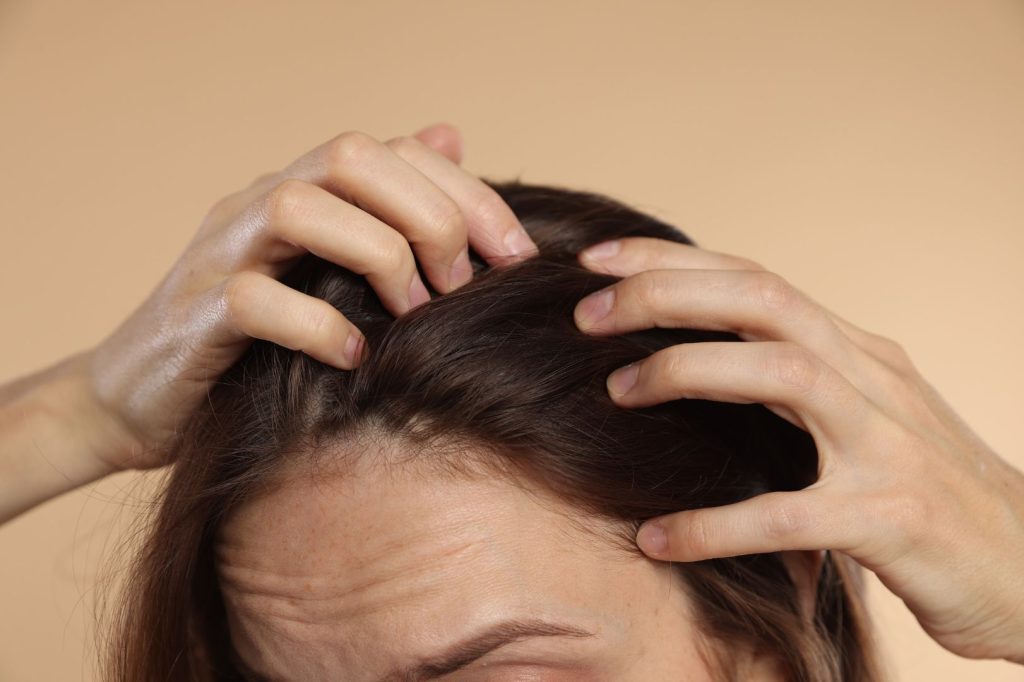
There’s a moment many women remember clearly.
One morning, you notice more hair in your brush, the shower drain, and on your pillow. It’s enough to make you pause.
At first, you blame stress, seasonal shedding, or a new shampoo.
But then a quiet question creeps in: Why is this happening?
For many women, especially after 40, the answer often comes from changes happening inside the body, not outside. Hormone imbalance and hair loss in women are more connected than most people think. When hormones start to shift during perimenopause, menopause, thyroid changes, or times of intense stress, hair can react in ways that feel confusing and, honestly, a little alarming.
The good news? Hair loss related to hormones usually has a cause. And when you understand that reason, things start to make more sense.
Let me explain.
When Hormones Quietly Influence Your Hair
Hair might seem like a purely cosmetic thing, but biologically speaking, it’s surprisingly sensitive to hormones.
Every strand on your head moves through a natural cycle made up of three stages:
- Anagen: the active growth phase
- Catagen: a short transition period
- Telogen: the resting phase before shedding
At any given time, most of your hair is in the growth stage. That’s what keeps hair looking full and healthy.
Hormones help regulate this rhythm. They signal hair follicles when to grow, when to pause, and when to shed.
But when hormones shift, even a little, the timing of that cycle can change.
Instead of staying in the growth phase for years, hair may enter the shedding phase sooner. The result isn’t usually dramatic overnight hair loss. Instead, it shows up slowly:
- Your ponytail feels thinner.
- Your part looks wider.
- Hair seems finer than it used to be.
And because the process is gradual, it’s easy to miss at first.
The Hormones That Often Affect Hair
When people hear the phrase hormone imbalance and hair loss in women, they often think just one hormone is responsible. In reality, several hormones affect hair growth. It’s a bit like an orchestra: when one instrument changes tempo, the whole performance sounds different.
Estrogen and Progesterone
Estrogen is often considered the “hair-friendly” hormone.
It encourages longer hair growth, which is why hair is often thicker during high estrogen times, such as pregnancy.
But as women move through their 40s and beyond, estrogen levels naturally begin to decline. Progesterone often falls alongside it. When that happens, the hair growth phase can shorten.
The shift doesn’t necessarily cause baldness, but it can lead to gradual thinning.
If you’ve already read my article on Hormone Imbalance After 40, this pattern probably sounds familiar. Hormones rarely change dramatically overnight. They drift, fluctuate, and slowly settle into new patterns. Hair follicles respond as these changes happen.
Androgens (Yes, Women Have Them Too)
Here’s something that surprises a lot of people: women produce androgens too.
These hormones include testosterone and its stronger form, DHT (dihydrotestosterone). In balanced amounts, they play important roles in metabolism and muscle tone.
When androgens rise compared to estrogen, hair follicles are affected. This is more common in perimenopause.
Over time, follicles shrink. Hair grows back thinner and shorter each cycle.
This pattern is often called female-pattern hair thinning and usually appears around the crown or along the part line.
Thyroid Hormones
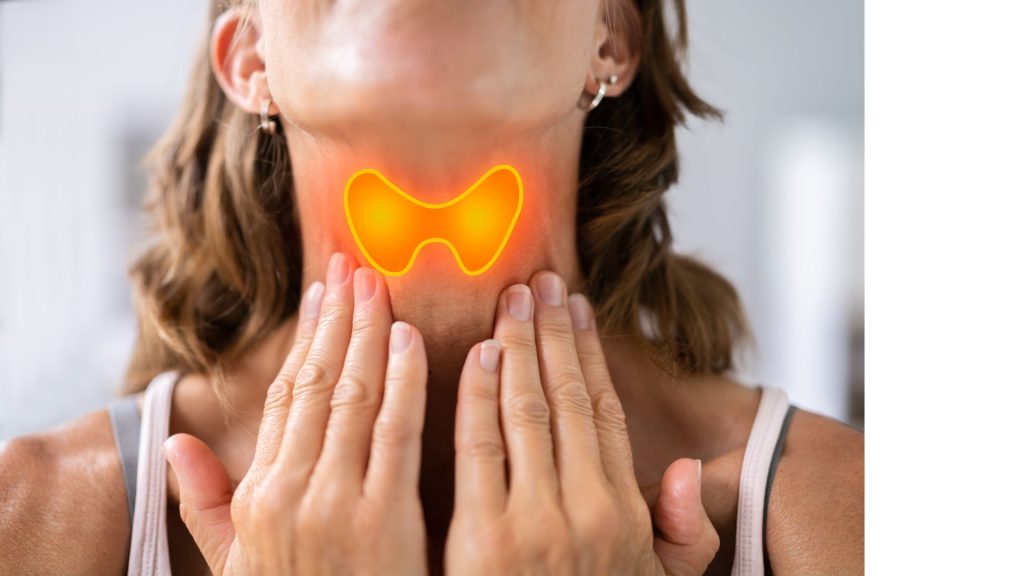
The thyroid gland doesn’t get enough attention in conversations about hair.
Yet it’s deeply involved.
When thyroid hormones fall too low (hypothyroidism) or climb too high (hyperthyroidism), hair follicles can shift prematurely into the shedding phase. The result is often widespread thinning rather than localized hair loss.
Interestingly, thyroid-related hair changes can show up months before someone realizes their thyroid is off.
So if hair loss appears alongside fatigue, cold sensitivity, or unexplained weight changes, the thyroid sometimes deserves a closer look.
Cortisol and Chronic Stress
Let’s talk about stress for a moment.
Not just the occasional busy week that most of us brush off, but the ongoing, background stress that quietly raises cortisol levels.
Cortisol is the body’s main stress hormone. When it stays elevated for long periods, it can disrupt the balance of other hormones.
And hair follicles notice.
A condition called telogen effluvium often follows major stress events such as illness, emotional upheaval, surgery, or long-term burnout. Large numbers of hairs shift into the resting phase at once, leading to noticeable shedding a few months later.
It can feel dramatic. But the important thing to know is that it’s usually temporary.
Signs Hair Loss May Be Hormone Related
Hair loss caused by hormones rarely looks the way people expect.
It’s not usually patches or sudden bald spots. Instead, it’s subtle.
You might notice:
- gradual thinning around the crown
- a widening part line
- more hair in the shower drain
- finer hair texture than before
- a ponytail that feels smaller
Sometimes hair loss appears alongside other symptoms:
- fatigue that lingers
- sleep disruptions
- weight changes
- mood swings
- irregular cycles
When several of these show up together, hormones often sit somewhere in the background of the story.
Life Stages When Hair Changes Are More Common
Hormones move in waves across a woman’s life. Certain stages tend to bring more noticeable hair changes.
Perimenopause
Perimenopause, which is the transition leading up to menopause, can begin years before periods stop.
Hormones fluctuate unpredictably during this time. Estrogen levels rise and fall in irregular patterns, which can shorten hair growth cycles.
For some women, hair becomes thinner during this stage, even if their cycle still seems regular.
Postpartum Hormone Shifts
After pregnancy, estrogen levels drop quickly.
Many women notice more shedding about three months after giving birth. It can feel dramatic, with clumps of hair coming out in the shower.
But the shedding usually slows once hormone levels stabilize.
Menopause
After menopause, estrogen levels settle at a lower baseline.
Hair follicles may produce thinner strands over time. Growth slows, shedding may increase slightly, and hair density changes.
The shift tends to be gradual, but it’s one reason hair often looks different in our 50s than it did in our 20s.
Nutrition’s Quiet Role in Hair Health
Hormones may start the conversation, but nutrition often joins in.
Hair is primarily made of protein, which means your body needs adequate nutrients to grow it. When certain nutrients fall short, hair follicles sometimes pause growth.
A few nutrients matter especially for hair health:
- Protein – provides the building blocks for hair.
- Iron – supports oxygen delivery to follicles.
- Vitamin D – influences hair follicle cycling.
- B vitamins – support cellular energy production.
- Zinc – helps maintain scalp health.
This is one reason some women explore nutritional support through diet or supplements.
If you’re curious about specific options, my guide, Best Supplements for Hormone Balance, covers several nutrients that support both hormone health and hair growth.
Small Daily Habits That Support Hair

Hair health rarely improves overnight.
But small habits, when done consistently, can make a noticeable difference over time.
Stress management plays a surprisingly large role. Activities like walking, breathing exercises, or gentle yoga help regulate cortisol levels, which indirectly support hormone balance.
Sleep matters too. Hormones reset overnight, and hair follicles depend on that internal repair cycle.
Even simple habits like eating balanced meals, staying hydrated, and avoiding overly tight hairstyles can help protect fragile follicles.
None of these things are dramatic fixes. But collectively, they create an environment where hair can recover.
When It’s Worth Talking to a Doctor
Occasional shedding is normal. Most people lose between 50 and 100 hairs per day.
But some situations deserve a closer look.
You may want to consult a healthcare provider if:
- Hair loss continues longer than six months
- shedding becomes sudden or severe
- bald patches appear
- Hair loss occurs with fatigue or menstrual changes
Doctors may recommend tests that check:
- thyroid function
- iron levels
- hormone levels
- vitamin deficiencies
Sometimes the cause is simple. Sometimes it’s layered. Either way, having clear information helps guide the next steps.
Can Hair Grow Back After Hormone Imbalance?
This is usually the question people ask quietly, sometimes after hours of late-night internet searching.
The answer, in many cases, is yes.
Hair follicles are remarkably resilient. Once the underlying hormonal environment improves, follicles can return to normal growth cycles.
That said, patience is required.
Hair grows slowly, about half an inch per month. Even after hormones stabilize, it may take three to six months before regrowth becomes visible.
And honestly, that waiting period can feel long. But hair recovery often follows its own timeline.
Hair Is Often a Signal, Not Just a Symptom
Here’s something worth remembering.
Hair isn’t just an aesthetic feature. It’s often a reflection of internal health. When something changes, like stress levels, hormones, or nutrient status, hair sometimes reacts first.
That doesn’t mean something is “wrong.” It simply means the body is communicating.
Understanding the connection between hormone imbalance and hair loss in women can turn that moment of concern into something more useful: a clue about what your body may need.
And when you respond with the right support, such as balanced nutrition, stress management, and medical guidance when needed, hair often finds its way back to a healthier rhythm.
Not overnight.
But steadily, strand by strand.