
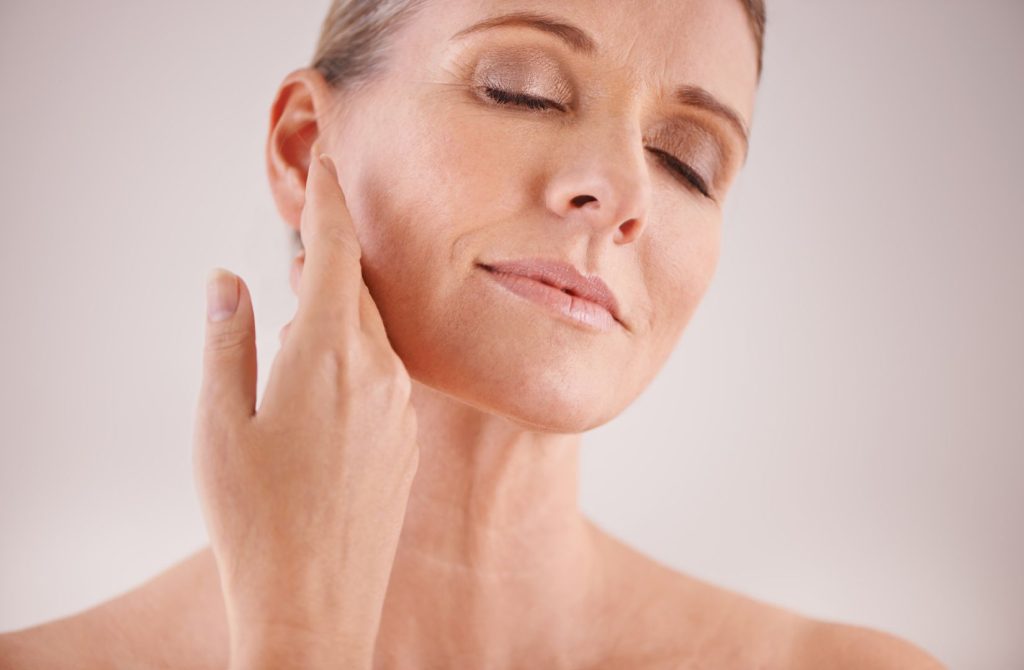
What Your Skin May Be Trying to Tell You
There’s a moment many women experience sometime after 40.
You look in the mirror one morning and think… When did my skin start doing this?
Maybe your skin feels drier than it used to. Or you’re noticing breakouts that remind you of high school, but now they appear along your jawline and seem to linger. You might also see dark patches or notice your skin looks thinner.
It’s confusing. Frustrating, even.
And the usual solutions like new serums, fancy creams, or expensive facials don’t always solve the problem.
Here’s the thing most people don’t say out loud: your skin is deeply connected to your hormones. When hormones shift, skin almost always reacts. Sometimes subtly. Sometimes dramatically.
For many women, hormone imbalance skin changes become more noticeable in their 40s and 50s, when the body naturally begins moving through perimenopause and menopause.
Let’s talk about why this happens and what your skin might be telling you.
First, a Quick Reality Check About Hormones
Hormones are essentially chemical messengers.
They travel through your bloodstream, sending instructions to different parts of your body, including your brain, metabolism, reproductive system, and your skin.
When hormones are balanced, things run fairly smoothly. Skin tends to feel hydrated, resilient, and relatively calm.
But when hormones fluctuate, which definitely happens after 40, those messages can get mixed up.
Several hormones influence skin health:
- Estrogen helps maintain collagen, elasticity, and hydration.
- Progesterone supports skin balance and oil regulation.
- Testosterone influences oil production.
- Cortisol (the stress hormone) affects inflammation and breakouts.
- Thyroid hormones impact skin texture and moisture.
When these hormones shift out of balance, skin often becomes the first place you notice it.
This makes sense because skin is the body’s largest organ and is very sensitive to hormonal changes.
Why Hormones Have Such a Big Impact on Skin
Skin isn’t just a protective layer. It’s a hormonally responsive tissue.
This means skin cells have hormone receptors. When hormone levels go up or down, those cells react.
Estrogen, for example, plays a major role in collagen production. Collagen is what keeps skin firm and plump.
When estrogen drops, which happens gradually during perimenopause, collagen production slows down. Skin becomes thinner and less elastic.
At the same time, changes in testosterone can increase oil production. That’s why some women get adult acne in midlife, which can feel unfair if you thought breakouts would end after your twenties.
Add stress hormones like cortisol into the mix, and things get even more complicated.
Cortisol increases inflammation. It can also disrupt the skin barrier, which is the protective layer that keeps moisture in and irritants out.
So when hormones change, your skin doesn’t just react in one way.
It can change in several ways at the same time.
The Skin Changes Many Women Notice First
Hormonal skin changes rarely show up alone. Instead, they tend to arrive as a cluster of small but noticeable differences.
Let’s walk through the most common ones.
Adult Acne (Yes, Even Now)
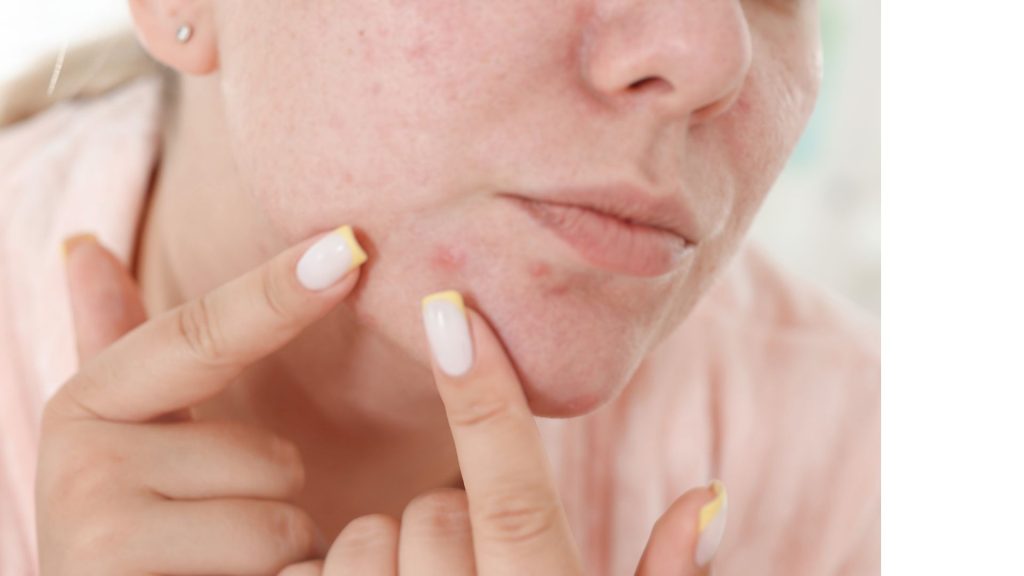
One of the most surprising hormone imbalance skin changes women report is acne returning in adulthood.
And it often appears in a very specific area: the jawline and chin.
Hormonal acne is usually linked to androgen fluctuations, which increase oil production in the skin. More oil can clog pores and create deeper, more stubborn breakouts.
Unlike teenage acne, hormonal breakouts often feel:
- deeper under the skin
- more tender
- slower to heal
If breakouts seem to flare during times of stress or around hormonal shifts, hormones may be part of the story.
Skin That Suddenly Feels Dry
Dry skin becomes increasingly common during perimenopause and menopause.
The reason? Estrogen.
Estrogen helps skin retain moisture and maintain a strong barrier. When estrogen levels decline, skin holds less water and produces fewer natural oils.
That can lead to:
- Tightness after washing your face
- flaky patches
- skin that absorbs moisturizer quickly but still feels dry
Many women notice they need richer creams or barrier-repair products around this time.
It’s not just about appearance. Hydrated skin is healthier skin.
Fine Lines Appearing Faster
Wrinkles are a normal part of aging. But hormonal changes can speed up the process.
Estrogen stimulates collagen production. When estrogen drops, collagen declines as well.
In fact, research suggests women can lose up to 30% of their skin’s collagen in the first five years after menopause.
That loss shows up as:
- fine lines
- thinner skin
- reduced elasticity
Skin may also take longer to recover from things like sun exposure, pollution, or lack of sleep.
Dark Spots and Uneven Pigmentation
Some women notice patches of darker skin appearing on their cheeks, forehead, or upper lip.
This condition is called melasma, and it’s closely tied to hormonal fluctuations.
Hormones can stimulate melanin production, the pigment responsible for skin color.
When melanin production becomes uneven, darker patches appear.
Sun exposure often makes melasma worse, which is why dermatologists recommend daily sunscreen, especially during times of hormonal change.
Skin That Feels More Sensitive Than Before
Another subtle shift many women mention: skin becoming more reactive.
Products that once worked perfectly suddenly cause redness or irritation.
Hormonal fluctuations can weaken the skin barrier, making skin more vulnerable to:
- dryness
- irritation
- inflammation
Sometimes the answer isn’t to add more products, but to simplify your routine.
Gentler cleansers. Fewer active ingredients. More barrier-supporting ingredients like ceramides.
When Skin Changes Might Be Hormone Related
Skin changes can happen for many reasons, such as weather, stress, diet, or skincare products.
But when hormones are involved, skin changes often appear alongside other symptoms.
For example:
- persistent fatigue
- changes in sleep patterns
- mood shifts
- unexplained weight gain
- irregular periods
If skin changes show up around the same time as these symptoms, hormones may be playing a role.
If you’re curious about the bigger hormonal picture, my article Hormone Imbalance After 40 explains what typically happens during this stage of life.
Understanding those shifts can make skin changes feel far less mysterious.
The Hormonal Life Stages That Affect Skin Most
Hormonal skin changes don’t happen randomly. They often correspond with specific life stages.
Let’s look at the most common ones.
Perimenopause
Perimenopause can start in the early 40s, and sometimes even earlier.
During this stage, estrogen and progesterone fluctuate unpredictably.
These hormonal ups and downs often show up as:
- occasional breakouts
- sudden dryness
- increased sensitivity
Skin might feel different from month to month.
It’s not your imagination.
Menopause
Menopause marks the point when menstrual cycles stop completely.
Estrogen levels drop significantly during this transition.
As a result, skin may become:
- thinner
- drier
- less elastic
This is also when collagen decline becomes more noticeable.
Postmenopause
After menopause, hormone levels stabilize at lower levels.
Skin continues producing less collagen, and healing may slow slightly.
But here’s the good news: supportive lifestyle habits can still make a big difference for your skin.
Skin may age, but it doesn’t stop responding to good care.
Food Matters More Than We Often Realize
Here’s a small tangent that’s actually pretty important.
What we eat affects our hormones, and hormones affect our skin.
Highly processed foods, excess sugar, and inflammatory oils can disrupt hormonal balance and increase skin inflammation.
If this topic interests you, my article The Worst Foods for Hormone Health explores which foods tend to worsen hormone imbalance.
You don’t have to eat perfectly, but small dietary shifts often support both hormone balance and skin health.
Supporting Hormone Balance for Healthier Skin
While no skincare product can completely control hormonal changes, lifestyle habits can help support hormone balance—and that often shows up in the skin.
A few areas make a meaningful difference.
Stabilizing Blood Sugar
Blood sugar spikes can disrupt hormone levels and increase inflammation.
Balanced meals that include protein, fiber, and healthy fats help keep blood sugar steady.
Simple changes, like adding protein to breakfast, can help more than you might expect.
Nutrients That Support Skin and Hormones
Several nutrients support collagen production and skin health.
These include:
- Omega-3 fatty acids (found in salmon, walnuts, flaxseed)
- Vitamin C for collagen support
- Zinc, which supports skin healing
- Protein, essential for tissue repair
You don’t need complicated supplements. Often, whole foods provide plenty.
Managing Stress (Yes, It Shows Up on Your Face)
Chronic stress increases cortisol.
High cortisol levels can trigger breakouts, worsen inflammation, and slow skin healing.
Stress management doesn’t have to be elaborate.
Sometimes it’s as simple as:
- walking outside
- stretching before bed
- stepping away from screens earlier in the evening
Small daily habits can shift cortisol patterns over time.
Creating a Skin Routine That Works With Your Hormones
Hormonal skin often responds best to simpler skincare routines.
Instead of layering numerous active ingredients, focus on:
- gentle cleansing
- barrier-supporting moisturizers
- daily sunscreen
Ingredients like hyaluronic acid, ceramides, and niacinamide tend to support hormonal skin well.
Being consistent is more important than having a complicated routine.
When It Might Help to Seek Professional Guidance
Sometimes skin changes go beyond what lifestyle shifts can address.
If you’re dealing with persistent cystic acne, sudden severe pigmentation, or skin irritation that won’t improve, a dermatologist or healthcare provider may be able to help.
They can evaluate whether hormones, skincare ingredients, or other health factors are involved.
Getting support doesn’t always mean you need dramatic treatments. Often, it’s about understanding what your body is telling you.
Your Skin Isn’t Working Against You
It’s easy to feel frustrated when skin suddenly behaves differently.
But here’s a perspective that helps many women.
Skin changes are often messages, not problems.
They reflect changes happening deeper in the body, especially the hormonal shifts that naturally occur as women go through midlife.
Understanding the connection between hormone imbalance and skin changes in women allows you to respond with curiosity rather than frustration.
And honestly, once you recognize the signals, your skin becomes a helpful guide rather than an unpredictable mystery.
Sometimes it’s just asking for a little more support.
And a little patience.