

Hormone balance after 50 lifestyle guide women often search for isn’t about chasing youth — it’s about building stability.
There’s a moment that tends to sneak up on women after 50.
It’s not dramatic. There’s no siren. No formal announcement.
You just notice that your body doesn’t respond the way it used to.
You eat the same breakfast. The scale moves anyway.
You sleep eight hours. You still wake up tired.
You handle stress the way you always have. Suddenly, it handles you.
If that sounds familiar, you’re not doing anything wrong. You’re simply in a different hormonal chapter.
This guide focuses on hormone balance after 50 and offers a lifestyle approach that women can truly follow. It’s not a strict plan or a call to fix yourself. Instead, it shares practical changes that support your body after menopause in a steady, realistic way.
Because here’s the thing: after 50, hormone balance isn’t about chasing youth. It’s about building stability.
First, What Actually Changes After 50?
By age 50, most women are in late perimenopause or postmenopause. Estrogen and progesterone stop changing so much each month. They level out, but at a lower amount.
That part surprises people.
You might assume things calm down once periods stop. In some ways, they do. But lower estrogen affects:
- Insulin sensitivity
- Muscle mass
- Bone density
- Brain chemistry
- Sleep architecture
Progesterone, the calming hormone, is largely gone. Which means stress feels sharper. Sleep feels lighter. Patience gets thinner.
At the same time, cortisol, which is your stress hormone, becomes more active. Insulin also becomes less forgiving.
If you want a better understanding of what’s happening biologically, I walk through that more fully in Hormone Health During Menopause. That foundation matters because lifestyle works best when you understand what it’s supporting.
But let’s bring it back to daily life.
What does hormone balance after 50 really require?
Food Is No Longer Casual — It’s Strategic
I don’t mean obsessive. I mean intentional.
In your 30s, you could skip protein at breakfast and survive. After 50? That same pattern can quietly chip away at muscle mass and blood sugar control.
Muscle is your metabolic savings account. And after menopause, you lose it faster.
So, nutrition changes from just eating less and moving more to making sure you eat enough of the right foods.
Here’s what matters most:
Protein Becomes Non-Negotiable
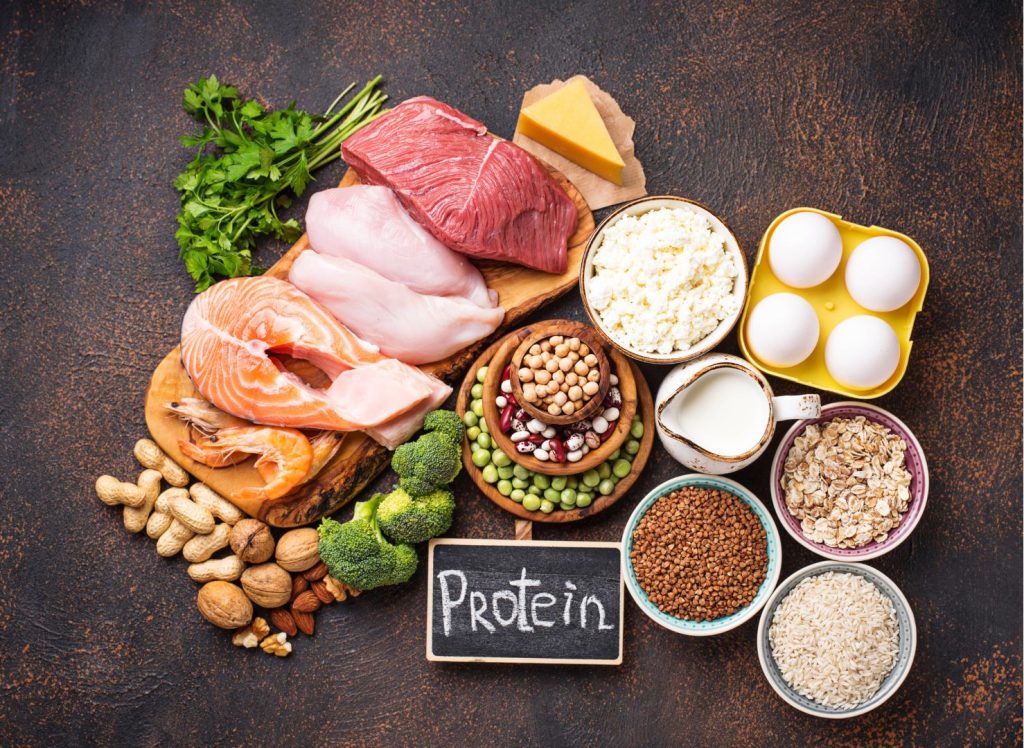
Women over 50 often under-eat protein. Yet research repeatedly shows protein needs increase with age.
Aim for:
- 25–35 grams per meal
- A protein-forward breakfast (eggs, Greek yogurt, cottage cheese, protein smoothies)
This helps your muscles recover and keeps your blood sugar steady. When your blood sugar is stable, you have fewer energy dips and are less likely to reach for snacks in the afternoon.
Fiber Supports Estrogen Detox
Even though estrogen is lower, your body still processes and recycles it through the gut.
Leafy greens. Berries. Flaxseed. Lentils.
Not glamorous. But powerful.
Healthy Fats Help Hormone Signaling
Omega-3 fats (salmon, sardines, walnuts) support cell membrane health. And hormones communicate through cells. So yes, fats matter.
This isn’t about removing all your favorite foods. It’s about creating meals that support how your body works now.
If you want an easy daily routine, I explain that in Daily Habits to Balance Hormones Naturally. The basics still matter, but they need a small adjustment after 50.
Strength Training: The Insurance Policy You Can’t Skip
Let’s talk muscle.
After 50, muscle loss accelerates. This process, called sarcopenia, affects metabolism, insulin response, and even longevity.
Cardio is fine. Walking is wonderful. But resistance training? That’s your anchor.
Three sessions per week can:
- Improve insulin sensitivity
- Protect bone density
- Reduce visceral fat
- Support metabolic rate
And don’t worry, you won’t bulk up. Your estrogen levels prevent that from happening.
Strength training is like adding to a retirement fund. Each workout is a small investment that leads to long-term benefits.
Honestly, this is where many women feel empowered. There’s something anchoring about lifting weights. It’s measurable. Concrete. You see progress.
And that sense of capability? It matters hormonally, too.
Cortisol: The Hormone Running the Show
After 50, cortisol has more influence than estrogen.
Which means stress tolerance shifts.
You may notice:
- Harder time sleeping
- Belly fat that feels stubborn
- Feeling wired but tired
High-intensity workouts seven days a week can backfire. So can chronic under-eating.
Instead, think rhythm:
- Strength training 3x weekly
- Walking most days
- One full rest day
- Breathwork or nervous system resets
You don’t need a meditation retreat. Even five minutes of slow nasal breathing lowers cortisol.
If menopause felt overwhelming, you may find postmenopause feels more stable, as long as you keep stress in check. I talk more about this transition in How to Support Hormones After Menopause.
Sleep: The Quiet Hormone Therapy
Here’s something we don’t talk about enough.
Poor sleep raises cortisol and worsens insulin resistance. That combination drives weight gain and fatigue.
After 50, melatonin production declines. Nighttime awakenings become common.
Instead of fighting it, build guardrails:
- Consistent bedtime
- Lower lights after 8 p.m.
- Magnesium glycinate (if approved by your provider)
- Protein-rich dinner to stabilize blood sugar overnight
You might still wake up sometimes, and that’s normal. The goal is not to be perfect, but to give your body the support it needs.
Supplements — Helpful, Not Magical
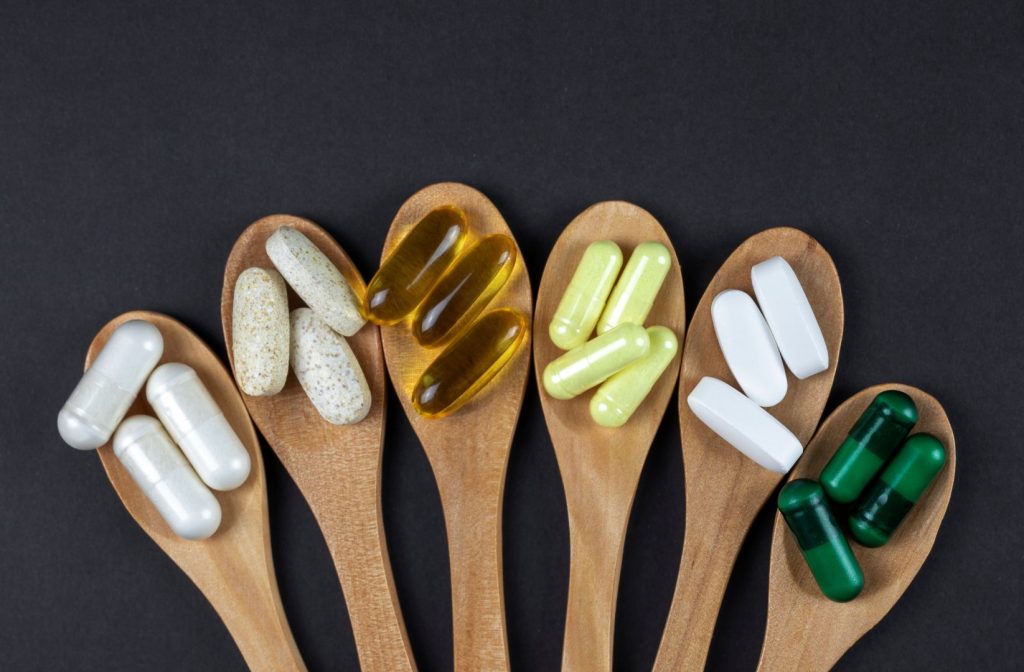
Supplements can support hormone balance after 50, but they don’t replace lifestyle.
A few commonly helpful options:
- Vitamin D3 (many women are deficient)
- Omega-3s
- Magnesium
- Creatine (helps preserve muscle and is increasingly supported by research)
Adaptogens like ashwagandha can help with stress, but they’re not for everyone. Always consult your provider, especially if you’re considering HRT.
And about HRT: it’s not something to avoid talking about. It’s a medical option. For some women, it’s the right choice. For others, lifestyle changes are enough.
This isn’t ideology. It’s individualized care.
The Mistakes That Keep Women Stuck
Let’s be honest. A lot of advice aimed at women over 50 is outdated.
Common missteps:
- Severe calorie restriction
- Excessive cardio
- Skipping protein
- Ignoring sleep
- Expecting 30-year-old results
Balancing hormones after 50 isn’t about trying harder. It’s about making smarter choices.
It’s a subtle shift. But it changes everything.
A Real-Life Weekly Framework
You don’t need a complicated spreadsheet. Just structure.
Here’s a realistic template:
Monday: Strength training + 8,000 steps
Tuesday: 30-minute walk + protein-focused meals
Wednesday: Strength training
Thursday: Active recovery or yoga
Friday: Strength training
Weekend: One longer walk, one true rest day
Daily:
- 90–100g protein (adjust as needed)
- Fiber-rich plants
- Hydration
- Wind-down routine
This is what a hormone-balancing lifestyle guide for women after 50 actually looks like in practice. Sustainable. Grounded. Repeatable.
When Lifestyle Isn’t Enough
Sometimes you do everything “right” and still feel off.
Persistent fatigue. Brain fog. Sudden weight shifts.
That’s when testing makes sense:
- Full thyroid panel
- Fasting insulin
- A1C
- Vitamin D
Functional medicine providers and conventional physicians may approach things differently, but both can be helpful.
You deserve clear information, not just guesses.
A Different Kind of Balance
Here’s the part that rarely gets said.
After 50, many women feel more mentally steady, even if their metabolism feels less cooperative.
There’s less emotional volatility. Less urgency. More clarity.
Hormone balance after 50 isn’t about recreating your 30s. It’s about developing resilience for your 60s, 70s, and beyond.
Strength. Steady energy. Clear thinking.
That’s the goal.
And truthfully? It’s achievable.
Not overnight. Not perfectly. But steadily.
If you’ve been feeling like your body changed without your permission, you’re not alone. And you’re not broken.
You’re adapting.
With the right lifestyle changes, like eating nourishing foods, building strength, managing stress, and getting good sleep, hormone balance after 50 becomes much less confusing and much more manageable.
And maybe even empowering.
Because this stage of life isn’t a decline.
It’s an adjustment.
And you, with the right tools, are fully capable of leading it.