
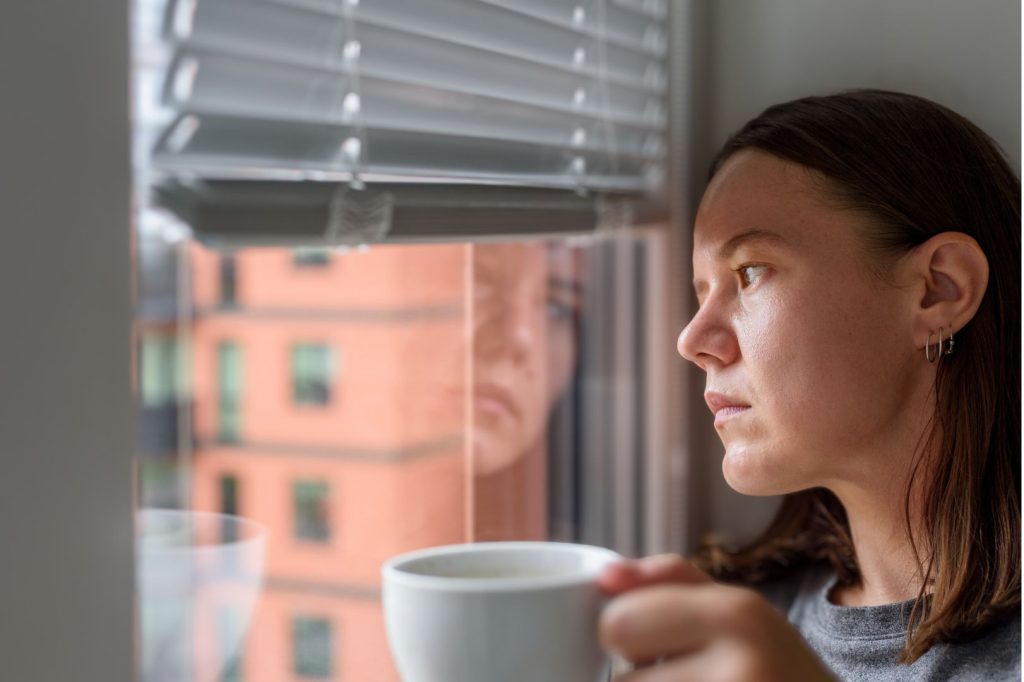
There’s a moment, maybe right in the middle of an ordinary Tuesday, when your mood changes so quickly it catches you off guard.
You were fine. Then suddenly, you’re irritated, overwhelmed, or on the verge of tears… and you can’t quite explain why.
If that sounds familiar, you’re not imagining it. And you’re definitely not alone.
For many women over 40, mood swings and hormone imbalance start to show up in ways that feel confusing, sometimes even unsettling. One minute you feel like yourself, the next… not so much. It can feel unpredictable. Personal. Even frustrating.
But here’s the thing: your body isn’t working against you. It’s trying to tell you something.
And once you understand what’s behind these shifts, things start to make a lot more sense.
What Are Mood Swings, Really?
Mood swings aren’t just about being emotional. They are changes, sometimes subtle and sometimes intense, in how you feel over a short period of time.
That might look like:
- Irritability that comes out of nowhere
- Anxiety or that restless, on-edge feeling
- Sudden sadness or low motivation
- Snapping at people you love (and then feeling bad about it)
Sound familiar?
Here’s where it gets interesting: your mood isn’t just psychological; it’s also deeply biological.
Hormones act like messengers in your body. They influence everything from sleep to metabolism… and yes, your emotional state too. When those signals are steady, your mood tends to feel steady. When they’re not? That’s when things start to wobble.
So… How Do Hormones Affect Your Mood?
Let me explain it simply.
Think of hormones as tiny text messages being sent between your brain and your body. When the messages are clear and consistent, everything runs smoothly. But when those messages get delayed, mixed up, or overly intense, your brain reacts.
That reaction often shows up as mood changes.
Estrogen, progesterone, cortisol, thyroid hormones—they all interact with brain chemicals like serotonin and dopamine. These are the same chemicals that influence happiness, calmness, and focus.
So when hormones fluctuate (and they do fluctuate more after 40), your emotional baseline can shift right along with them.
And it doesn’t take a huge imbalance. Even small changes can feel big.
The Main Hormones Behind Mood Swings
This is when things start to make sense for many women. Once you know which hormones are involved, your symptoms feel less random and more understandable.
Estrogen: The Mood Stabilizer (Until It Isn’t)
Estrogen supports serotonin, your “feel-good” brain chemical. When estrogen is steady, you tend to feel more balanced, even optimistic.
But during perimenopause, estrogen can rise and fall, sometimes in dramatic ways.
One day, you feel fine. Next, you’re emotional or irritable. That inconsistency? It’s not in your head. It’s hormonal.
If you’ve read Understanding Estrogen Dominance in Women Over 40, you already know how excess estrogen (or the wrong balance) can intensify mood symptoms.
Progesterone: Your Natural Calm Button
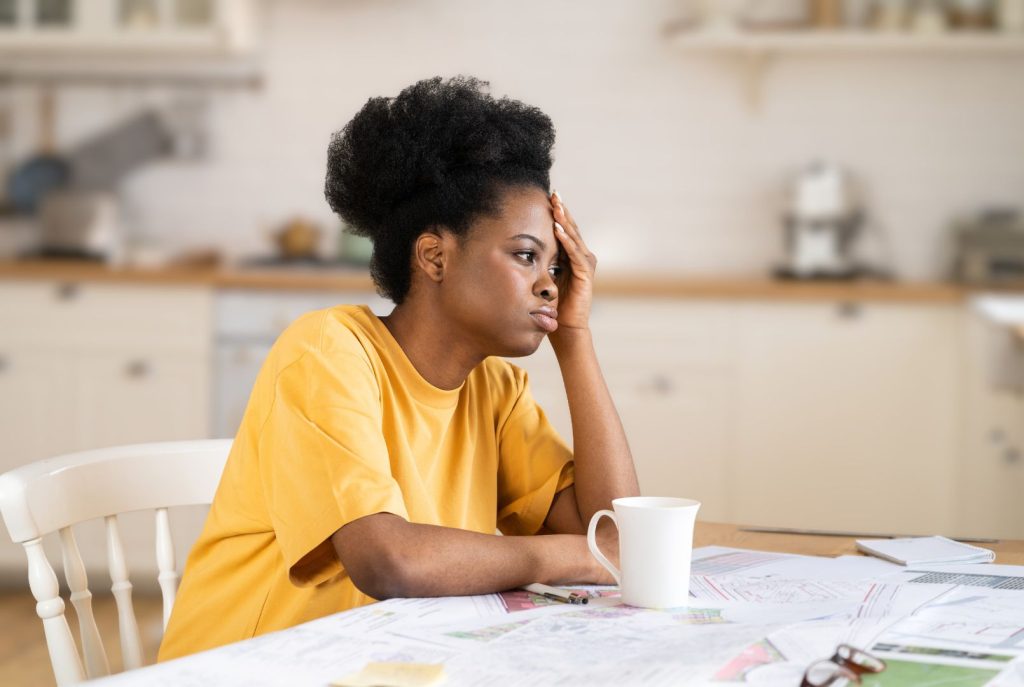
Progesterone has a soothing effect on the nervous system. It helps you feel grounded. Less anxious. More able to handle stress.
But here’s the catch: progesterone usually starts to decline before estrogen does.
So even if estrogen hasn’t dropped significantly yet, low progesterone can leave you feeling:
- Anxious
- Restless
- Easily overwhelmed
It’s like losing your internal buffer.
Cortisol: The Stress Amplifier
Cortisol isn’t bad; you need it. But when it stays high for too long because of chronic stress, it can disrupt everything.
High cortisol can lead to:
- Irritability
- Mood swings
- Trouble sleeping (which, in turn, worsens mood)
And here’s a frustrating loop: stress raises cortisol, and high cortisol makes you feel more stressed. It feeds itself.
Thyroid Hormones: The Quiet Influencers
Thyroid imbalances don’t always show up loudly, but they have a strong impact on mood.
Low thyroid function can feel like:
- Depression
- Low energy
- Mental fog
High thyroid? That’s more like:
- Anxiety
- Racing thoughts
- Restlessness
It’s subtle, but it can have a strong effect.
Signs Your Mood Swings Are Hormonal (Not Just “Life”)
It’s easy to blame stress, relationships, or a busy schedule, and those things do matter. But sometimes the root cause goes deeper.
You might be dealing with mood swings from a hormone imbalance if you notice:
- Your emotions shift quickly without a clear trigger.
- You feel more anxious or sensitive than usual.
- Your mood dips around your cycle.
- Sleep problems seem to make everything worse.
- You’re experiencing brain fog along with emotional ups and downs.
And maybe the biggest clue? You don’t feel like yourself.
That feeling of wondering, “What’s going on with me?” is common in midlife. More often than not, hormones play a role.
Why It Often Starts After 40
Here’s the honest answer: your hormones are changing, whether you feel ready or not.
Perimenopause can start in your late 30s or early 40s, and the transition isn’t always smooth. Hormones don’t just decline; they fluctuate.
A lot.
Estrogen rises and falls unpredictably. Progesterone steadily drops. Stress often increases (career, family, aging parents—it’s a lot).
So you end up with a perfect storm:
- Less hormonal stability
- More life stress
- Greater sensitivity to both
No wonder your mood feels different.
What’s Really Causing the Imbalance?
Hormones don’t work in isolation. They respond to your daily habits, sometimes more than we realize.
A few common triggers:
Chronic Stress
That constant “go, go, go” mindset? It keeps cortisol elevated and disrupts other hormones.
Poor Sleep
Even one bad night can affect mood. Over time, inconsistent sleep worsens hormonal swings. (If you haven’t yet, your article Daily Habits to Balance Hormones Naturally ties into this beautifully.)
Blood Sugar Ups and Downs
Skipping meals or relying on sugar-heavy foods can lead to crashes, which often feel like mood swings.
Nutrient Gaps
Magnesium, B vitamins, and omega-3s all play a role in regulating your mood.
Lack of Movement
Your body is designed to move. Without it, stress builds, and hormones lose rhythm.
How to Balance Hormones and Feel Like Yourself Again
This is the part most women are really looking for: what actually helps?
And here’s the good news: you don’t need to overhaul your life overnight. Small, consistent shifts can make a noticeable difference.
Start with Blood Sugar (It Matters More Than You Think)

Balanced meals = more stable mood.
Try:
- Protein at every meal
- Healthy fats (avocado, nuts, olive oil)
- Fewer processed carbs
It sounds simple. It is simple. But it’s also powerful.
Make Stress Management Non-Negotiable
Not in a strict way, but in a realistic, daily way.
That might look like:
- A 10-minute walk outside
- Deep breathing before bed
- Saying no a little more often
You don’t need an hour-long routine. You need consistency.
Sleep Like It Actually Matters (Because It Does)
Aim for:
- A consistent bedtime
- Less screen time before bed
- A calming evening routine
When sleep improves, mood often follows.
Eat for Hormone Support
Focus on:
- Leafy greens
- Fatty fish (like salmon)
- Fiber-rich foods
Food isn’t just fuel; it also gives important signals to your hormones.
Move Your Body—But Don’t Overdo It
This part trips people up.
Yes, exercise helps. But excessive high-intensity training can increase cortisol levels.
Balance it with:
- Strength training
- Walking
- Gentle movement like yoga
Consider Targeted Supplements
If needed (and ideally with guidance):
- Magnesium for relaxation
- Omega-3s for mood support
- B vitamins for energy and brain health
Sometimes your body just needs a little extra support.
When It’s Time to Look Deeper
If your mood swings feel intense, persistent, or disruptive, it’s worth looking into them more closely.
You might consider:
- Hormone testing
- Thyroid evaluation
- Talking with a practitioner who understands midlife hormone shifts
There’s no prize for pushing through when something feels off.
A Few Simple Daily Habits That Make a Difference
Nothing fancy. Just consistent.
- Get sunlight in the morning.
- Eat regular, balanced meals.
- Limit caffeine (especially if anxiety is an issue)
- Check in with yourself emotionally—just a quick pause.
These small habits add up. Quietly, but powerfully.
You’re Not “Overreacting”—Your Body Is Talking
Let’s be honest for a second.
It’s easy to dismiss mood swings as stress, personality, or “just getting older.” But that doesn’t tell the whole story.
Your hormones are shifting. Your body is adjusting. And your mood is one way it communicates that something needs attention.
That doesn’t mean something is wrong with you.
It means something is changing.
Once you understand the connection between mood swings and hormone imbalance, you can start responding in ways that support your body instead of fighting it.
Because feeling like yourself again? That’s not out of reach.
It just starts with listening a little more closely.