
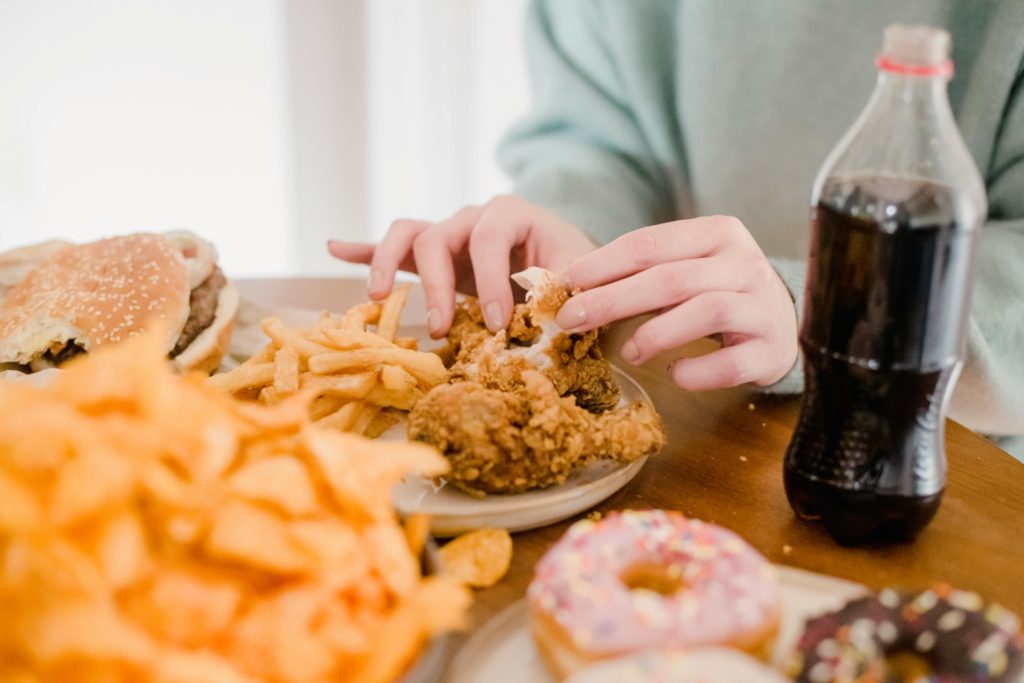
There’s a moment many women hit somewhere in their 40s when food starts to feel… different. A bowl of pasta that used to be “no big deal” now leads to a bloated stomach. A sugary afternoon snack hits harder, sending you from “I’m fine” to “I might snap at the next person who asks me what’s for dinner.” Your morning coffee works until it suddenly doesn’t.
And it’s confusing, right? Because you haven’t changed much. But your hormones have.
Here’s the thing: what you eat plays a much bigger role in how your hormones behave than most of us were ever taught. That’s why understanding the worst foods for hormone health—especially once perimenopause steps onto the stage—can make a world of difference in how you feel day to day.
Food isn’t the only factor, but it’s one of the few dials you can turn quickly and naturally. And sometimes that’s enough to shift your energy, mood, sleep, or waistline in ways that shock you—in a good way.
Let’s walk through the foods that create the most trouble, why they throw hormones off balance, and what to eat instead. And if you want more context on sugar specifically, you can read my full breakdown in The Truth About Sugar and Hormones.
Why Food Has So Much Power Over Hormones
Before calling out the “big offenders,” it helps to understand why food matters so much.
Hormones don’t float around doing their own thing. They’re constantly responding to your blood sugar, stress levels, digestion, inflammation, and sleep. Your food influences all of that—sometimes instantly.
Blood sugar spikes trigger insulin
Insulin affects estrogen and progesterone
Gut health affects estrogen metabolism
Inflammation affects thyroid and cortisol
Caffeine and alcohol affect cortisol rhythm
And after 40, when estrogen begins to shift, your hormonal system becomes a little more sensitive. The foods you once tolerated easily may now hit like a freight train.
Not because your body is “failing.”
Because it’s adjusting.
So let’s talk about the foods that make that adjustment harder.
The Worst Foods for Hormone Health
These are the heavy hitters—the foods that can spark inflammation, disrupt insulin patterns, trigger cortisol spikes, or throw estrogen into chaos.
You don’t have to eliminate everything forever. But understanding what’s affecting you gives you power. And women over 40 deserve all the power we can get.
1. Refined Sugar & High-Sugar Foods
(The quiet troublemaker that rarely travels alone)
Sugar tops the list because it affects nearly every hormonal pathway: insulin, cortisol, estrogen, progesterone, and even thyroid.
When sugar floods your system, insulin rises fast. Insulin then interferes with estrogen and progesterone, which can worsen perimenopause symptoms like:
irritability
fatigue
cravings
midsection weight gain
PMS-like swings
And if your day starts with sugar—think flavored coffee creamers, muffins, granola bars—you often end up on a roller coaster until bedtime. Honestly, most women don’t realize how much sugar is sneaking into their day until they track it for 48 hours.
If this topic hits home, The Truth About Sugar and Hormones goes deeper into how sugar affects women over 40 specifically.
2. Processed Carbs (White Bread, Pastries, Crackers)
(Sugar’s slightly better dressed cousin)
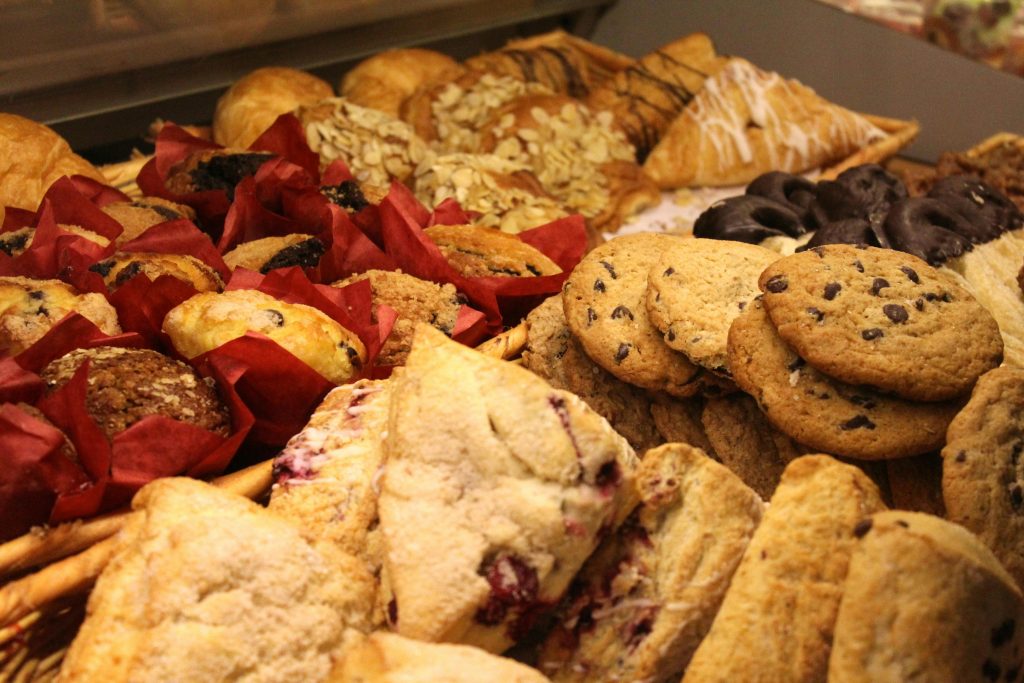 Processed carbs act like sugar. You eat them, they break down fast, and your blood sugar jumps. Then insulin jumps. Then cortisol jumps because your body thinks it’s under stress.
It’s like tossing gasoline on hormonal instability.
These carbs have a special talent for creating:
mid-afternoon energy collapses
stubborn belly weight
bloat that hangs on for days
irritability that makes you question your sanity
And here’s the kicker: the more you eat them, the more your body asks for them. It’s not willpower—it’s chemistry.
3. Fried Foods & Industrial Seed Oils
(Inflammation’s favorite friends)
Fried foods and many packaged snacks are loaded with oils like soybean, corn, canola, and cottonseed.
These oils create inflammation, and inflammation disrupts hormones—especially thyroid and cortisol.
If you’ve ever felt “puffy” after takeout or fast food, you weren’t imagining it. These foods create a sluggish, swollen feeling that can stick around longer than you expect.
Fried foods can hit harder during perimenopause because your body is already working overtime to manage shifting estrogen levels. It’s like throwing more weight onto a bridge that’s already carrying a heavy load.
4. Highly Processed Foods
(The master of disguise)
Processed foods often hide:
preservatives
artificial colors
endocrine-disrupting additives
sweeteners
stabilizers your body doesn’t recognize
These additives don’t just “pass through.” Many disrupt how your body metabolizes estrogen, which can contribute to estrogen dominance—one of the most common issues women over 40 face.
Symptoms often include irritability, heavy periods, breast tenderness, headaches, and bloating. If any of those ring a bell, processed foods may be fanning the flames.
5. Conventional Dairy (Especially When Sourced from Hormone-Treated Cows)
(A controversial one—but worth mentioning)
Not all dairy is problematic. But conventional dairy contains natural hormones and sometimes synthetic ones, and some women are more sensitive to those than others.
For women who already lean toward estrogen dominance, dairy can worsen:
acne
bloating
breast tenderness
PMS
mood swings
You might be totally fine with dairy—or it might be adding to your hormone load without you realizing it. The key is paying attention, not following a rigid rule.
6. Alcohol
(Cortisol’s worst enemy… and estrogen’s, too)
Alcohol affects hormones in three huge ways:
It raises cortisol (stress hormone)
It disrupts sleep (which raises cortisol again)
It slows down liver detox pathways (which process estrogen)
That means estrogen can hang around longer than you want it to.
If you ever felt more anxious, puffy, or moody the day after drinking—even just one glass—you’re not imagining it. Women in their 40s metabolize alcohol differently, and the hormonal impact hits harder.
This isn’t about eliminating alcohol forever; it’s about understanding your personal threshold. One drink may feel fine. Three might feel like a truck hit you.
7. Caffeine Overload
(Not coffee… but too much coffee)
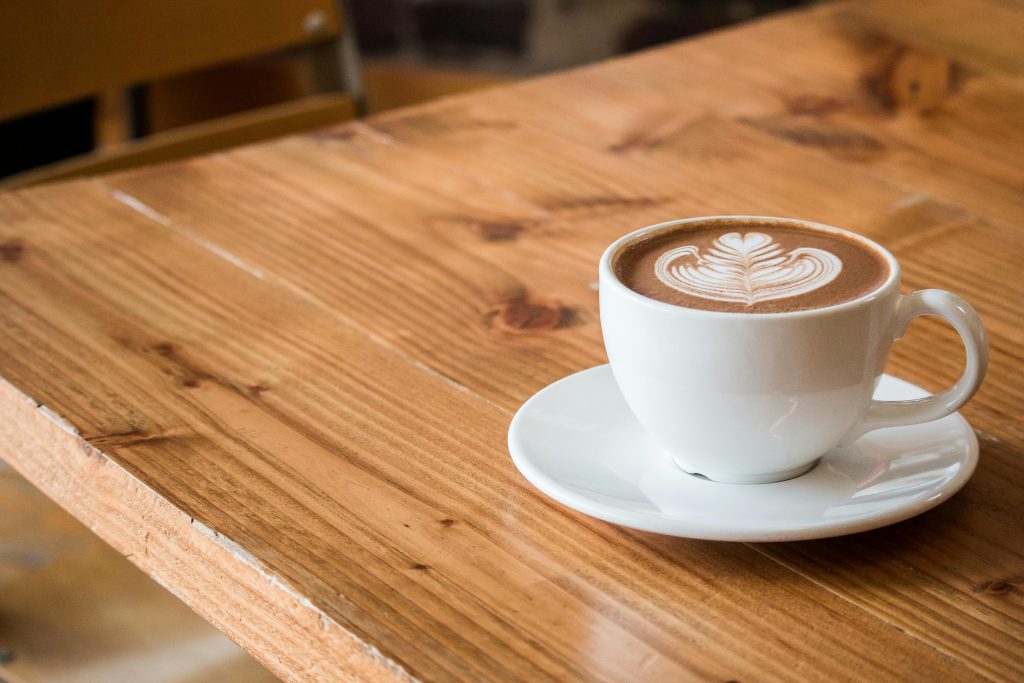 Coffee isn’t the problem; it’s how much and when.
Too much caffeine pushes cortisol into overdrive. When cortisol rises at the wrong time, it can create:
anxiety
sleep issues
hormone-related headaches
afternoon crashes
weird energy highs followed by lows
If you’re relying on caffeine to feel “normal,” that’s a sign your cortisol rhythm may be off. And once that rhythm slips, every other hormone feels it.
You can still enjoy your morning latte—just avoid the constant refills that keep your body on high alert.
8. Artificial Sweeteners
(The “shortcut” that goes sideways)
Artificial sweeteners confuse your metabolism and gut bacteria. They can trick your body into expecting sugar, which then affects insulin. And insulin, of course, affects every other hormone.
Some women notice more cravings when using sweeteners. Others notice bloating or headaches. A few feel nothing at all.
But if you’re stuck in a cycle of cravings, mood swings, and constant hunger, sweeteners may be part of the picture.
How These Foods Disrupt Specific Hormones
Hormones don’t work alone—they behave like a team. Stress one, and another steps in to help. Over time, that creates ripple effects.
Here’s how the worst foods for hormone health create trouble:
Estrogen
Sugar, processed foods, and alcohol can cause estrogen to linger too long, increasing symptoms of estrogen dominance.
Progesterone
High cortisol from caffeine, sugar spikes, and stress can suppress progesterone—the calming, “feel-good” hormone.
Cortisol
Caffeine overload, sugar crashes, alcohol, and poor sleep all disrupt cortisol’s natural rhythm.
Thyroid
Inflammation from processed foods and seed oils can slow thyroid function, which affects metabolism and mood.
Insulin
Sugar and processed carbs push insulin higher, promoting weight gain and energy swings.
You don’t need to memorize the science—most women simply notice the symptoms: bloating, fatigue, irritability, anxiety, sleep issues, heavier periods, or weight changes that feel mysterious.
Better Options (Without Feeling Deprived)
Here’s good news: your hormones aren’t asking you to quit everything you enjoy. They’re just asking you to eat in a way that stabilizes things rather than sending them into chaos.
A few simple swaps make a huge difference:
Sugar → fruit + protein combo
Processed carbs → oats, farro, sweet potatoes, quinoa
Fried foods → roasted or air-fried alternatives
Conventional dairy → organic dairy or plant-based options
Alcohol → mocktails, sparking water, herbal teas
Artificial sweeteners → small amounts of honey or maple syrup
Seed oils → olive oil, avocado oil, grass-fed butter
And if you want a list of foods that support hormones—rather than fight them—check out Foods That Balance Your Hormones Naturally.
A Sample Day of Hormone-Friendly Meals
Just to show how simple it can be:
Breakfast
Greek yogurt with berries, chia seeds, and a drizzle of honey
—or—
Eggs with spinach and avocado
Lunch
Salmon bowl with greens, brown rice, roasted veggies, and olive oil
Snack
Handful of almonds + a clementine
Dinner
Chicken thighs with roasted sweet potatoes and sautéed kale
Evening
Herbal tea instead of late-night wine
See? No deprivation required.
When to Get Support
Sometimes food alone reveals what’s going on. But if symptoms stick around—or if you’re feeling frustrated and exhausted—you might benefit from hormone testing.
At-home tests can give you a helpful snapshot without juggling doctor appointments.
If you’re curious about that, you might like my article The Truth About Sugar and Hormones, which breaks down how blood sugar affects nearly every hormone after 40.
Final Thoughts: You’re Not Crazy—Your Hormones Are Talking
You don’t need a perfect diet. You don’t need to eliminate everything on this list forever. What you need is awareness—because once you understand the worst foods for hormone health, you can make choices that work for you instead of against you.
Small shifts can create big changes.
Better energy. Clearer mood. More stable days. And honestly? That alone is worth the effort.
If you want help spotting symptoms or choosing foods that support your hormones, you’re already on the right path. You’re paying attention. You’re learning your body. And that’s more powerful than anything you cut from your plate.