

There’s a moment — usually sometime after 40 — when sugar starts affecting you differently. You have a cookie and suddenly you’re bloated… or grouchy… or craving another cookie fifteen minutes later. It’s almost comical how fast it happens.
But there’s a reason it feels like your body is reacting more than it used to. Hormones shift, metabolism slows a bit, and your stress threshold feels embarrassingly low — which matters more than most of us realize. Chronic stress doesn’t just affect your mood; it directly influences blood sugar, cortisol, and how your hormones communicate with each other. I explain that connection more deeply in my article How Stress Affects Hormone Balance.
You know what? If you’ve ever wondered why one small dessert throws your whole system out of rhythm, you’re not imagining it. That’s exactly what we’re talking about today — the truth about sugar and hormones, and why understanding the impact of sugar on hormone balance matters so much for women in midlife.
And if you want a food-first approach to support your hormones, you might like my article on Foods That Help Balance Hormones Naturally — it pairs well with what you’ll learn here.
Why Sugar Suddenly Feels “Louder” After 40
Women often say, “I used to eat sugar with no issue — what changed?”
Honestly, a lot. The 40s bring a perfect storm:
- Estrogen begins fluctuating
- Progesterone starts dipping
- Stress tolerance shifts
- Sleep becomes more fragile
- Insulin sensitivity decreases
Imagine your hormonal system as a team that used to run drills flawlessly. Suddenly, two players are tired, one is injured, and the coach is stressed out. Of course, the game gets messy. Sugar steps onto that court and throws another curveball into the mix.
And here’s the thing — sugar isn’t “bad.” It’s just sneaky. It affects multiple hormones in a chain reaction, and once you see how that chain works, everything starts to make sense.
The Hormone That Reacts First: Insulin
Let’s start with the one that always responds to sugar: insulin.
Insulin’s job is simple — move glucose from your blood into your cells. It’s the logistics coordinator of your metabolism. But with age, especially during perimenopause, insulin doesn’t respond as smoothly as it did in your 20s or 30s.
So when you eat something sugary:
- Blood sugar spikes fast
- Insulin rushes in
- Blood sugar drops quickly
- And guess what rises? Cravings, irritability, and fatigue
It’s that roller-coaster effect that makes you feel “off.“ And if your cells stop responding well to insulin — something called insulin resistance — your body pumps out even more insulin to compensate.
High insulin has a ripple effect:
- It increases belly fat
- It fuels inflammation
- It disrupts progesterone
- It exaggerates estrogen dominance
- It keeps cortisol elevated
Suddenly, this isn’t just a sugar issue. It’s a hormone-wide conversation.
And while sugar is a big part of that story, it’s not the only food that can throw hormones off — I break down the biggest offenders in my article, The Worst Foods for Hormone Health.
Cortisol: Sugar’s Quiet Accomplice

Cortisol — the stress hormone — gets involved more than we realize.
When your blood sugar drops sharply after a sugary snack, cortisol has to bring it back up. It’s basically a built-in rescue mission. And while that’s helpful in theory, too many “rescues“ send your cortisol into overdrive.
That’s when you might notice:
- Afternoon slumps
- Anxiety for no reason
- Lightheadedness
- Feeling “tired but wired“ at night
- Poor sleep quality
Here’s the twist: cortisol also makes you crave sugar. And sugar spikes cortisol. It’s a loop — a maddening one — and midlife stress only magnifies it.
Plenty of women have told me, “I don’t feel stressed, but I feel stressed.“ If that resonates, your blood sugar and cortisol pattern might be part of the culprit.
Estrogen and Progesterone: The Hidden Sugar Connection
Women talk a lot about estrogen and progesterone once they hit perimenopause, but not enough about how sugar affects them.
Here’s what actually happens:
1. Estrogen dominance gets worse with sugar
When insulin is high:
- Estrogen can rise
- Estrogen clearance slows
- PMS symptoms intensify
- Bloating increases
This is why sugar can make certain days of the month way more dramatic than others.
2. Progesterone drops faster when blood sugar swings
Low progesterone leads to:
- More anxiety
- Poor sleep
- Shorter menstrual cycles
- Water retention
- Mood swings
And because sugar destabilizes insulin — which affects cortisol — progesterone ends up on the losing end. It’s like the hormone that keeps peace in the system… but always gets knocked out first.
If you’ve noticed that sugar hits differently right before your period or during perimenopause flares, it’s not in your head. Your hormones are literally more vulnerable to it during those times.
The Craving Creatures: Leptin and Ghrelin
Leptin and ghrelin are often forgotten, but they play starring roles in your sugar story.
- Leptin tells your brain you’re full
- Ghrelin tells your brain you’re hungry
Sugar, especially quick-digesting sugar, disrupts those signals. Your brain ends up confused. You feel hungrier even after eating. You crave more sugar. Portion control becomes a joke.
This is one reason why people say they feel “addicted“ to sugar — hormonally, the messaging gets scrambled.
And yes, this effect gets stronger as estrogen fluctuates.
Signs Sugar Is Messing With Your Hormones
Sometimes the symptoms don’t look like “sugar issues“ at all. They look like:
- Unexplained fatigue
- Mood swings
- Midsection weight gain
- Frequent cravings
- Random irritability
- Poor sleep
- Afternoon energy crashes
- Brain fog
- Feeling puffy or inflamed
Individually, these symptoms seem random. Together, they create a pattern — one that strongly suggests your blood sugar rhythm is out of sync.
Why Women Over 40 Are More Sensitive to Sugar
Let me explain why sugar suddenly feels like it has more power than it used to.
1. Insulin sensitivity decreases with age
Your body simply can’t move glucose as efficiently.
2. Estrogen swings affect blood sugar
High estrogen makes insulin work differently. Low estrogen makes insulin work… also differently. It’s chaotic either way.
3. Progesterone supports stable blood sugar
So when progesterone declines, everything destabilizes.
4. Cortisol spikes more easily
Meaning stress has a louder hormonal echo than it once did.
5. Thyroid health becomes more sensitive
Thyroid hormones regulate metabolism, and they’re deeply influenced by sugar patterns.
In short, sugar intolerance isn’t a personal failure. It’s physiology.
What Sugar Actually Does to Hormone Balance (The “Sciencey“ Part)
Without overwhelming you with biochemistry, here’s the chain reaction sugar sets off:
- Blood sugar rises quickly
- Insulin tries to fix it
- Insulin overcorrects
- Blood sugar drops
- Cortisol steps in
- Cortisol triggers inflammation
- Inflammation affects estrogen and progesterone
- Thyroid function compensates
- Appetite hormones get confused
- Cravings return
This is how one muffin at 3 p.m. can lead you to stand in front of the pantry at 9 p.m., wondering why you’re still hungry.
And this cycle doesn’t just affect energy or weight — it influences how you feel in your body every day.
You Don’t Have To Quit Sugar — Just Change Your Approach
Most women don’t need a restrictive diet. They need a strategy that keeps hormones steady.
Here are a few that actually help:
1. Build a Balanced Plate (Protein, Fat, Fiber)
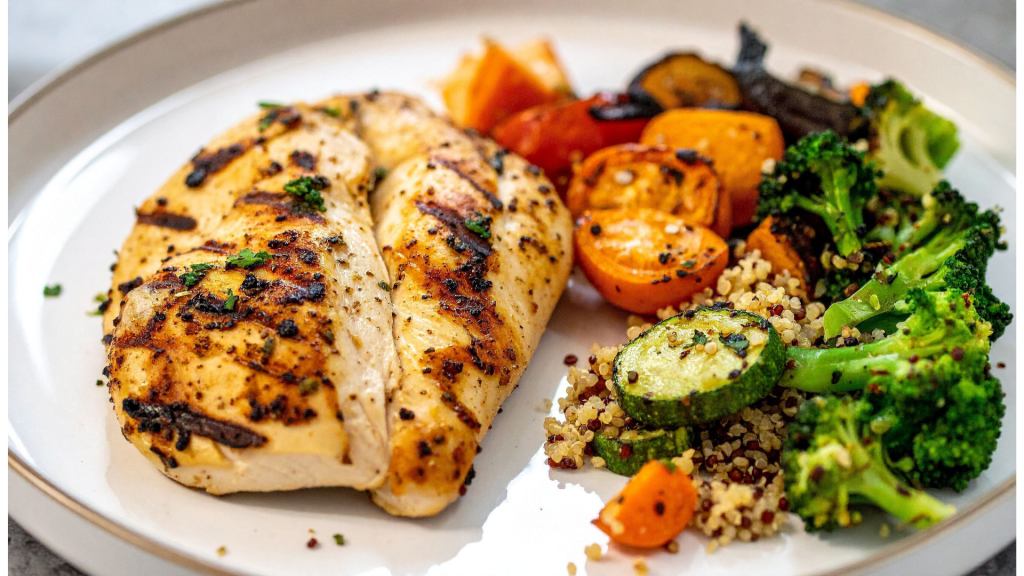
I call this the “PFF method,“ and it’s simple:
- Add protein for steady energy
- Add healthy fats for satiety
- Add fiber for slower digestion
You don’t have to overhaul your meals. Just anchor them. A salad with salmon. Greek yogurt with nuts and berries. Eggs with avocado. Simple, sustainable stuff.
2. Eat in a Smart Order
It sounds silly, but the order you eat food affects your blood sugar.
Research shows that eating:
- Veggies first,
- then protein and fat,
- and carbs last
Reduces glucose spikes almost every time. If you’re eating pasta, start with a small salad. If you’re having dessert, eat it after a real meal — not on an empty stomach.
3. Swap, Don’t Restrict
Sometimes small changes make a big difference:
- Switch soda for sparkling water with fresh citrus
- Choose dark chocolate over milk chocolate
- Pick berries instead of high-sugar fruits
- Try protein-based snacks like nuts, yogurt, and jerky
No extremes. Just gradual upgrades.
If you’re curious which foods tend to disrupt hormones the most — especially during perimenopause — you might also want to read The Worst Foods for Hormone Health to see what’s worth limiting more intentionally.
4. Recruit Daily Habits That Support Hormone Balance
These may not sound related to sugar, but they are.
Morning sunlight helps insulin sensitivity
Strength training improves glucose metabolism
Walking after meals lowers blood sugar
Good sleep reduces cravings
Stress support keeps cortisol from spiking
Sometimes, a 10-minute walk after dinner works better than cutting the cookie.
So… Can You Still Have Sugar?
Yes. Absolutely yes.
You don’t have to live like a monk. Sugar is part of birthday parties, holidays, summer nights on the patio, and those random moments when a brownie just sounds right.
The goal isn’t elimination — it’s stability.
A few tips if you want sugar without chaos:
- Have it with a meal, not alone
- Walk afterward, even for 5 minutes
- Pair it with protein, like nuts or yogurt
- Choose higher-quality sweets, not the stuff that tastes like a science project
- Don’t eat sugar when you’re exhausted — cortisol + sugar = disaster
When your blood sugar is stable, sugar becomes something enjoyable again, not an emotional or hormonal landmine.
Final Thoughts: Sugar Isn’t the Villain — Imbalance Is
Women over 40 don’t need guilt. They need clarity. Once you understand the impact of sugar on hormone balance, you can navigate sugar without fear or frustration.
Your hormones aren’t “dramatic.” They’re responsive. And sugar just happens to be one of the loudest triggers during midlife.
If you want to build meals that support steadier hormone levels every day, you’ll probably enjoy my article on Foods That Help Balance Hormones Naturally — it fits hand in hand with everything we covered here.
Your hormonal system is talking. Now you know how to listen.