

1. Your Energy Feels Like It’s on a Roller Coaster
If your energy now spikes and crashes — wired in the morning, exhausted by noon — your cortisol rhythm might be out of sync.
Cortisol isn’t the villain; it’s what helps you wake up and stay alert. But stress, poor sleep, or too much caffeine can flatten its natural rhythm. Instead of peaking early and tapering off, it stays high all day or crashes too soon.
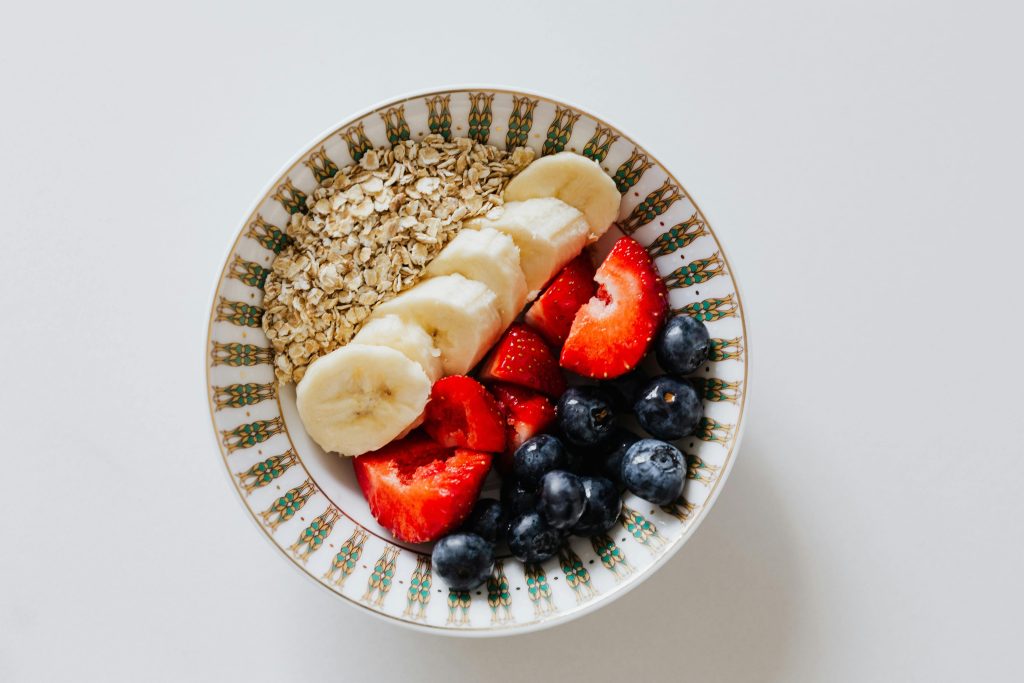
Pair that with unstable blood sugar — from skipping breakfast or grabbing sugary snacks — and you’ve got the perfect recipe for burnout.
How to fix it naturally:
- Eat breakfast within an hour of waking — include protein + fiber (Greek yogurt with chia, eggs with greens).
- Get sunlight on your face before 9 a.m. — it resets your circadian rhythm.
- Take short pauses during your day to breathe or stretch — tiny breaks signal safety to your nervous system.
2. You’re Suddenly Gaining Weight — Especially Around the Middle
You’re doing the same things — yet your waistband feels tighter.
That’s not imagination; it’s estrogen decline. Lower estrogen shifts fat storage toward the abdomen and alters how your body uses insulin.
Stress compounds it. Elevated cortisol tells your body to store fat “for protection.”
Simple strategies that work:
- Eat protein at every meal (25–30 g). It stabilizes blood sugar and maintains lean muscle.
- Lift weights. Strength training is the most efficient way to boost metabolism for women 40+.
- Sleep more, stress less. Cortisol drops only when your body feels rested.
Curious which foods actually help your hormones find balance? You’ll love my new post, Foods to Balance Hormones Naturally. It walks you through everyday meals that steady blood sugar, support estrogen metabolism, and keep your energy and mood in sync.
3. Sleep? What Sleep?
You’re tired but can’t fall asleep — or you wake up at 3 a.m. staring at the ceiling.
Blame those estrogen and progesterone fluctuations. They influence how your brain regulates melatonin and body temperature.
Natural bedtime reset:
- Magnesium glycinate before bed — calms the nervous system.
- No blue light 30 minutes before sleep.
- Keep your room dark, cool, and boring.
- Try an herbal tea (chamomile or lemon balm).
And honestly, don’t stress over the occasional restless night. The more pressure you put on “getting perfect sleep,“ the harder it becomes.
4. Your Mood Swings Could Rival Your Teen’s
One moment you’re laughing; the next, you’re snapping at someone for breathing too loudly.
Those aren’t personality flaws — they’re chemical shifts.
Estrogen influences serotonin and dopamine, which stabilize mood. As estrogen fluctuates, emotions can too. Add chronic stress, and your body reacts like it’s in constant survival mode.

Mood-supporting habits:
- Move daily (a walk, yoga, or dance break).
- Eat foods rich in B vitamins and magnesium.
- Try journaling or therapy to help your brain process stress instead of internalizing it.
If your mood swings start to feel unmanageable, reach out to your healthcare provider — hormones and mental health are deeply linked, and help is available.
5. Your Skin, Hair, and Nails Seem… Different
Your moisturizer stopped working. Your hair’s thinner. Your nails chip for no reason.
That’s because estrogen helps maintain collagen and hydration. When it drops, your skin barrier weakens and cell turnover slows.
Replenish from the inside out:
- Stay hydrated — water, herbal tea, and electrolyte-rich drinks.
- Eat omega-3s and healthy fats (avocado, olive oil, salmon).
- Consider collagen peptides or bone broth daily.
- Avoid stripping cleansers; use gentle, hydrating ones.
Think of this as your “glow reset.“ Your skin isn’t aging badly — it’s just recalibrating.
6. PMS or Period Changes That Make You Wonder What’s Happening
Maybe your period’s heavier. Or shorter. Or it skips a month altogether.
Welcome to perimenopause — the hormonal zigzag between regular cycles and menopause.
Your estrogen and progesterone are fluctuating wildly, so symptoms shift month to month.
Helpful tools:
- Track your cycle (try Clue or Flo).
- Support hormone phases with seed cycling (flax + pumpkin early, sesame + sunflower later).
- Use herbal allies like chasteberry or red raspberry leaf tea.
- Manage stress — cortisol can delay or disrupt ovulation.
If your cycles are painful, extremely heavy, or cause exhaustion, don’t ignore them. There are medical and natural options for relief.
7. Brain Fog or Forgetfulness Creeping In
You walk into a room and forget why you’re there. Words slip away mid-sentence.
That mental haze? It’s often hormonal.
Estrogen affects neurotransmitters and brain blood flow; thyroid health also plays a role.
Try this:
- Keep blood sugar steady (balanced meals).
- Add omega-3s (salmon, walnuts).
- Take mental breaks — a few minutes of deep breathing resets focus.
- Protect your sleep — your brain detoxes at night.
And be kind to yourself. You’re not “losing it“ — your body’s chemistry is simply shifting.
Want Clearer Energy, Better Sleep & More Steady Moods?
You don’t need extreme diets or complicated protocols. The FREE Hormone Balance Starter Kit gives you simple steps to support your hormones naturally — beginning today.
Connecting the Dots: Your Body Isn’t Betraying You
It’s easy to feel betrayed when your body changes without permission. But these symptoms aren’t rebellion — they’re communication.
Your body’s asking for different rhythms: steadier meals, calmer evenings, more rest.
Once you respond to those cues, balance naturally follows.
If you’re curious about what’s happening under the surface, ask your provider about:
- Blood tests for estrogen, progesterone, thyroid, and cortisol
- DUTCH or saliva tests for a complete hormonal picture.
How to Start Rebalancing Naturally — Without Overwhelm
Here’s what works — consistently, not perfectly:
- Eat for stability.
- Combine protein, fiber, and healthy fats in every meal.
- Example: eggs + spinach for breakfast, grilled chicken + quinoa for lunch, salmon + roasted veggies for dinner.
- Move intentionally.
- Walk daily, lift weights 2–3 times per week, and stretch often.
- Movement regulates cortisol and insulin while improving sleep.
- Prioritize sleep and stress care.
- Journal before bed, limit alcohol, or try guided meditation.
- Calm mind = balanced hormones.
- Check your environment.
- Swap products with endocrine disruptors (choose paraben-free, phthalate-free).
- Limit alcohol.
- Even small reductions improve estrogen metabolism and energy.
- Be consistent.
- Hormones crave rhythm. Meals, movement, and sleep at regular times signal safety — and safety restores balance.
Small habits, repeated daily, matter more than perfection.
Final Thoughts
Your 40s aren’t the start of decline — they’re a reset.
A time to work with your body, not against it.
Every symptom is a clue. Every adjustment is a step toward balance.
And every woman who’s felt “off“ but kept going deserves to know: your hormones can be supported naturally — and it’s never too late to feel strong, clear, and grounded again.
So take a breath. Have your tea. And start small — your body’s already listening.
Ready to take the next step? My latest post, How to Fix Hormone Imbalance Naturally, walks you through gentle, proven ways to support your hormones — from everyday nutrition to stress care and simple lifestyle shifts that actually work. 🌿