

There’s a quiet moment that doesn’t get talked about enough.
You stop taking birth control and expect things to feel normal again—predictable, maybe even easier.
But instead, your body feels unfamiliar.
Your period might not come at all, or it might arrive heavy and intense. Your skin could break out like it did when you were a teenager. Your mood may feel more sensitive, as if your emotional buffer is missing. You might even wonder, Did I break something?
If you’re over 40, that question can feel even more pressing.
Resetting your hormones after birth control involves more than just stopping the pill. It’s about understanding how your body adapts, especially when your hormones are already shifting.
Let’s discuss what’s really happening and, more importantly, how you can reset your hormones after birth control in a way that feels steady and supportive.
First, What Birth Control Was Doing Behind the Scenes
Most of us were never fully told this.
Hormonal birth control doesn’t “balance” your hormones. It overrides them.
The pill, patch, ring, and hormonal IUD all suppress ovulation. They quiet your natural estrogen and progesterone rhythms and create a controlled, predictable hormonal environment. These methods are efficient and effective at what they do.
But your natural cycle?
When you stop birth control, your brain needs to relearn how to signal your ovaries. Your ovaries must become active again, and your adrenal glands, which help manage stress and support progesterone, also play a role.
Your whole system needs to work together.
Like any team that hasn’t played in a while, things might feel a bit out of practice at first.
This doesn’t mean something is wrong. It just means your body is relearning its natural rhythm.
Why It Can Feel Harder After 40
Let me add another layer to this.
By your early 40s, many women are already starting perimenopause, even if their periods are still regular.
Estrogen starts to fluctuate more, progesterone often drops first, and cortisol becomes more sensitive to stress.
So if you stop birth control at 42 or 45, you aren’t going back to the hormone levels you had at 28.
You’re entering a new hormonal phase.
That isn’t a bad thing. It’s just different, and it can be confusing at times.
If you want a deeper breakdown of what healthy hormone support looks like at this stage, I walk through the steps in my article, How to Fix a Hormone Imbalance Naturally. That foundation matters here, too.
“Is This Normal?” — Common Symptoms After Stopping Birth Control
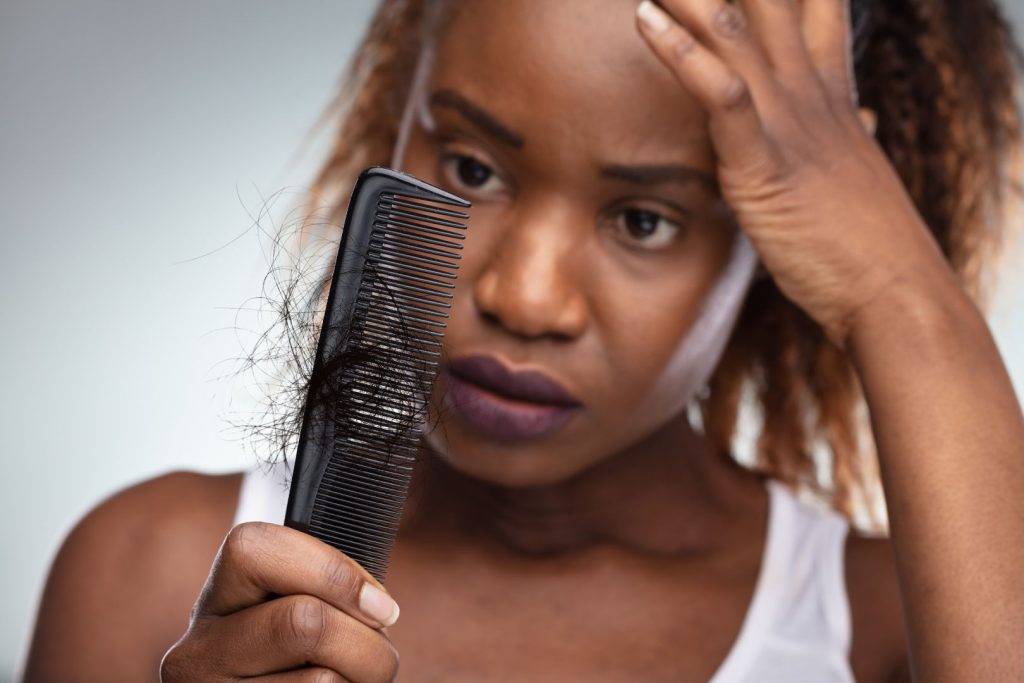
Let’s talk openly about what many women experience.
After you stop hormonal contraception, you may notice:
- Irregular or missing periods
- Heavy or painful cycles
- Acne (especially along the jawline)
- Hair shedding
- Mood swings or anxiety
- Low libido
- Fatigue that feels disproportionate
Some women feel fine right away. Others feel caught off guard by unpredictable hormonal changes.
What’s happening?
Often, estrogen returns first. Progesterone takes longer because it depends on ovulation. If you’re not ovulating regularly yet, progesterone may take longer to return.
This temporary imbalance can feel chaotic.
However, chaos isn’t permanent.
If one of your goals after stopping birth control is pregnancy, this ovulation window becomes even more important. I talk more about what hormone balance means for conception in my article, Hormone Imbalance and Fertility After 35, especially if you’re navigating both age and post-pill changes at the same time.
So… How Long Does It Take to Reset Hormones After Birth Control?
This is the question most women are really asking.
For many people, cycles start to regulate within 1 to 3 months. For others, it can take 6 to 12 months for ovulation to become regular and for symptoms to settle.
Age matters. Stress matters. Sleep matters. Nutrition absolutely matters.
If you’re over 40, resetting your hormones after birth control may happen at the same time as early perimenopause changes. This isn’t hopeless; it just means you need to be more intentional with your support.
The good news is that your body wants balance. Hormones can adapt and respond to changes.
This means you have some control over the process.
Let’s Talk Strategy: How to Reset Hormones After Birth Control Naturally
Now let’s shift from understanding what’s happening to what you can do about it.
We’re not talking about extreme cleanses or expensive detox kits. Your liver doesn’t need a juice fast; it needs steady, consistent support.
1. Stabilize Blood Sugar: The Quiet Hero
If there’s one lever that changes everything, it’s blood sugar stability.
When your blood sugar is unstable, insulin levels rise. Insulin affects estrogen and also impacts ovulation. Everything is connected.
Start here:
- Protein within an hour of waking
- 20–30 grams of protein per meal
- Pair carbs with protein and fat
- Avoid skipping meals
It may sound simple, but it works.
A breakfast of eggs and sautéed spinach supports your hormones more than a green juice. It may not be glamorous, but it’s effective.
2. Support Your Liver (Without Going Extreme)
Estrogen is processed through the liver. After stopping birth control, your body may be clearing synthetic hormones and adjusting to natural estrogen production again.
Support looks like:
- Cruciferous vegetables (broccoli, arugula, Brussels sprouts)
- Adequate fiber (25–30 grams daily)
- Hydration, with enough real fluids
- Reducing alcohol temporarily
You’ll notice a 3-day detox tea isn’t on that list.
Your liver already detoxifies naturally. It just needs the right nutrients to do its job well.
3. Rebuild Progesterone Naturally
Progesterone is known as the calming hormone. It helps your body relax.
After birth control, progesterone commonly lags because ovulation hasn’t fully resumed. Stress makes that worse.
So yes, managing stress becomes part of managing your hormones.
- Prioritize 7–8 hours of sleep
- Morning sunlight within 15 minutes of waking
- Strength training 2–3 times weekly
- Walking instead of intense daily HIIT
Many people are surprised by that last point.
Doing high-intensity workouts every day can raise cortisol levels. During this sensitive reset phase, gentle strength training and steady movement often help regulate hormones more effectively.
Sometimes, doing less can actually help your body find more stability.
4. Don’t Forget the Gut

Here’s a subtle but important connection: estrogen is partially recycled through the gut.
If you’re constipated, estrogen can recirculate instead of being excreted. That can worsen symptoms such as bloating, heavy periods, and breast tenderness.
Support your gut with:
- Fermented foods (Greek yogurt, sauerkraut, kefir)
- Fiber from whole foods
- Magnesium glycinate, if needed
- Reducing inflammatory triggers
Gut health isn’t just a trend here—it’s practical and important.
5. Supplements: Carefully, Not Impulsively
You don’t need to fill your cabinet with supplements.
But strategic support can help:
- Magnesium (sleep + stress support)
- B-complex (especially B6 for progesterone support)
- Omega-3 fatty acids
- Zinc (particularly if acne flares)
If cycles haven’t returned after 3–6 months, lab testing may be helpful. Brands like Everlywell or working with a functional provider can offer insight, but testing alone without foundational habits rarely solves the issue.
Food and lifestyle changes still make the biggest difference.
When to Ask for Medical Support
Most symptoms after stopping the pill improve with time and support. However, sometimes you need to seek more help.
Seek medical input if you experience:
- No period after 6 months
- Severe depression or anxiety
- Extremely heavy bleeding
- Hair loss that feels dramatic
- Thyroid-like symptoms (cold intolerance, persistent fatigue)
Sometimes, birth control was masking an underlying issue like PCOS, thyroid problems, or insulin resistance. Stopping it can reveal what was already there.
That’s not failure. That’s information.
A Gentle Reality Check for Women Over 40
If you’re 43 and stopping birth control, you may be meeting perimenopause at the same time.
That can feel unfair, as if your body changed the rules without warning.
But here’s another way to see it: this isn’t just about resetting hormones after birth control. It’s about learning how to support your hormones as they change.
Your body isn’t malfunctioning. It’s transitioning.
That transition can be steady when you give it:
- Stable blood sugar
- Quality sleep
- Manageable stress
- Strength-based movement
- Real food
These habits are more important now than ever.
A Simple 30-Day Reset Framework
If you prefer structure, try this:
Week 1:
Focus on protein at every meal + hydration.
Focus on protein at every meal + hydration.
Week 2:
Add a consistent bedtime and morning light exposure.
Add a consistent bedtime and morning light exposure.
Week 3:
Introduce strength training twice weekly.
Introduce strength training twice weekly.
Week 4:
Track your cycle, energy, mood. Observe patterns.
Track your cycle, energy, mood. Observe patterns.
You don’t need to be perfect. What matters is consistency.
Hormones respond to rhythm.
A Final Thought: Why This Matters
If you’re reading this while wondering whether your body will ever feel steady again, take a breath.
It will.
Resetting your hormones after birth control takes time. It’s a gradual process of learning and reconnecting with your body.
Many women find they feel more connected to their bodies than ever before, simply because they are paying closer attention.
If you want a deeper guide on natural hormone support beyond the post-pill phase, I recommend reading How to Fix a Hormone Imbalance Naturally next. The strategies overlap more than you might think.
Your body is not broken.
It’s adjusting.
With steady support, your body can find its rhythm again.