
How Long It Lasts and Why It Might Feel Longer Than You Expect
There’s a moment many women remember clearly after having a baby.
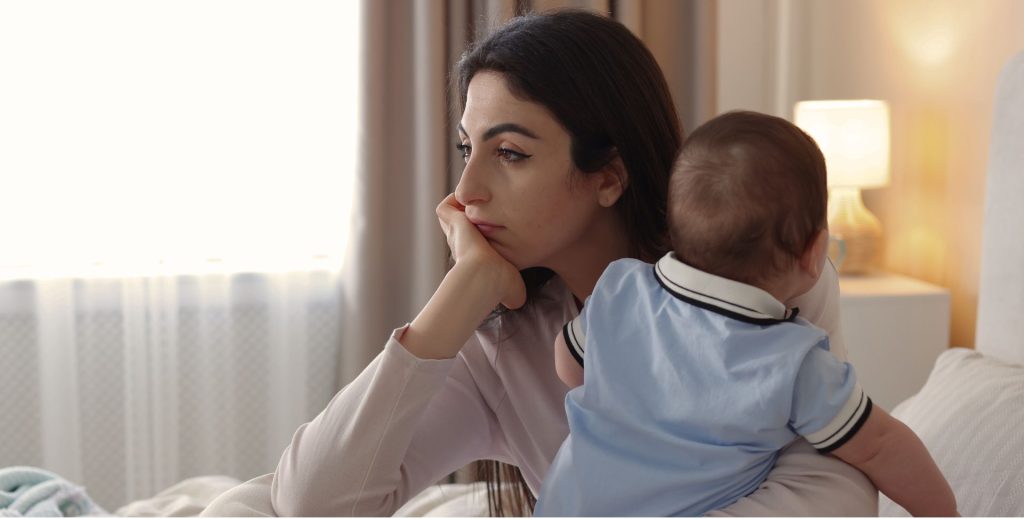
You’re standing in the kitchen again, maybe reheating coffee for the third time. The baby is finally asleep. But instead of feeling relieved, happy, or proud, you just feel off.
Not broken. Not exactly depressed. Just unfamiliar to yourself.
You might even think, Didn’t I already do this postpartum thing? Why does this feel harder now?
If you’re over 40, that question makes even more sense than you realize.
Postpartum hormone imbalance isn’t just a phase that magically resolves at six weeks, despite what the pamphlets say. And the real question most women want answered—quietly, late at night—is this:
Postpartum hormone imbalance: how long does it actually last?
Let me explain.
First, What Is Postpartum Hormone Imbalance—Really?
Right after delivery, your body goes through one of the most dramatic hormonal shifts of your entire life. And yes, that includes puberty and perimenopause.
Within hours of giving birth:
- Estrogen and progesterone plummet
- Prolactin rises (especially if you’re breastfeeding)
- Cortisol spikes, because having a newborn is stressful
- Thyroid hormones may wobble
- Blood sugar regulation gets shakier
Think of it like your hormonal system being yanked out of one operating system and forced to reboot on another. Fast.
That’s postpartum hormone imbalance.
It’s not a diagnosis; it’s a physiological reality. And it affects far more than mood. It shows up in:
- Energy
- Sleep
- Metabolism
- Anxiety levels
- Focus
- Emotional resilience
And here’s the part we don’t talk about enough:
Age matters.
If you’re having a baby in your late 30s or 40s, your hormones aren’t returning to the same baseline they would have at 25. They’re stabilizing inside a body that’s already undergoing subtle midlife shifts. This overlap between postpartum recovery and midlife hormone changes is something many women don’t realize — and it’s why postpartum symptoms can feel more intense or last longer after 40. If you want a deeper explanation of what’s happening during this stage of life, my article on Hormone Imbalance After 40 breaks it down in more detail.
Which brings us back to the real question.
Postpartum Hormone Imbalance: How Long Does It Last?
You’ll often hear that hormones “normalize” by six weeks postpartum. That’s…optimistic.
A more realistic timeline looks like this:
The early phase: 0–12 weeks
This is when hormone changes are most intense.
- Estrogen and progesterone are at their lowest
- Sleep deprivation amplifies everything
- Mood swings, anxiety, and emotional fragility peak
For many women, this phase feels raw, foggy, and emotionally loud.
The middle phase: 3–6 months
This is when things start to settle, but they don’t fully resolve yet.
- Hormones fluctuate instead of free-falling
- Energy may improve slightly
- Mood becomes more predictable (on good days)
You might function better, but still feel like you’re running on a different version of yourself.
The longer recovery: 6–12 months (or more)
For many women, especially those over 40, true hormone balance can take up to a year.
Sometimes longer.
And breastfeeding can extend this timeline, because prolactin suppresses estrogen. That’s not bad; it’s just biology. But it does mean hormone balance happens on a slower curve.
So if you’re asking, Why don’t I feel like myself yet?
You’re not late. You’re still healing.
Why the Timeline Varies So Much From Woman to Woman
Here’s where things get personal.
Postpartum hormone imbalance doesn’t follow a script. It’s shaped by real-life variables, like:
- Breastfeeding (exclusive, partial, or extended)
- Sleep deprivation—chronic lack of sleep keeps cortisol elevated
- Stress load (new baby + older kids + work + life)
- Nutrient depletion, especially iron, magnesium, B vitamins, and omega-3s
- Thyroid health, including postpartum thyroiditis
- Number of pregnancies and spacing between them
And yes, midlife hormone changes add to all of this.
Honestly? Sometimes postpartum recovery in your 40s feels less like bouncing back and more like rebuilding. Slowly. Thoughtfully. With better boundaries (eventually).
The Symptoms That Make Women Google This at 3 A.M.
Postpartum hormone imbalance doesn’t announce itself politely. It creeps.
Common symptoms include:
- Sudden anxiety or racing thoughts
- Mood swings that feel disproportionate
- Exhaustion that sleep doesn’t fix
- Hair shedding that feels alarming
- Weight that won’t budge (or drops too fast)
- Brain fog, forgetfulness, or poor focus
- Night sweats or feeling “wired but tired”
Here’s the tricky part:
Many of these symptoms are normal early postpartum—and also overlap with conditions that deserve support.
Which leads to an uncomfortable but important distinction.
When Postpartum Hormone Imbalance Lasts Longer Than Expected
Some fluctuation is normal. Prolonged suffering is not.
It may be time to look deeper if:
- Symptoms persist beyond 12 months
- Anxiety or depression worsens instead of easing
- Fatigue feels extreme or unrelenting
- Weight changes feel unexplained
- You feel emotionally disconnected long-term
This doesn’t mean something is “wrong” with you. It may mean:
- Your thyroid needs attention
- Nutrient deficiencies weren’t replenished
- Stress hormones never came down
- You transitioned straight from postpartum into perimenopause territory
For some women, postpartum recovery blends almost seamlessly into midlife hormone changes, which is why understanding long-term hormone health becomes even more important. If you’re navigating that transition, my article on Hormone Health During Menopause walks through what stable, supported hormones look like in this next season.
Supporting Hormone Balance—Without “Fixing” Yourself
Here’s the thing: postpartum hormone recovery isn’t about hacking your body. It’s about supporting it.
Start with the boring (but powerful) basics:
Eat to steady blood sugar
It’s not about being perfect, but about being consistent.
- Protein at every meal
- Healthy fats
- Regular meals, even when life is chaotic
Prioritize rest, not just sleep
Sleep may be fragmented. That’s real life.
But rest can also look like:
- Saying no
- Sitting down
- Lowering expectations (again)
Gentle movement over intensity
Walking. Stretching. Light strength.
Your nervous system needs safety before it needs sweat.
Reduce cortisol wherever you can
This matters more than most women realize.
If you want a deeper dive into lifestyle-based support, you may find How to Fix a Hormone Imbalance Naturally helpful—it walks through simple, realistic ways to calm stress hormones without extremes.
None of this is glamorous. But it works because it aligns with physiology, not willpower.
The Part No One Says Out Loud
Postpartum hormone imbalance isn’t linear.
You might feel better for weeks, then feel worse again. You may think you’re past it, only to have a tough month. That doesn’t mean you’re going backward.
It means your body is recalibrating.
And if you’re over 40, that recalibration may land you in a new normal—not your pre-baby baseline.
That’s not a loss. It’s transition.
So… How Long Does Postpartum Hormone Imbalance Last?
Here’s the honest answer women deserve:
Postpartum hormone imbalance can last anywhere from a few months to over a year, especially when:
- You’re breastfeeding
- You’re over 40
- You’re underslept and undersupported
- Your body entered postpartum already depleted
And none of that means you’re failing.
It means your body did something extraordinary, and now it needs time, nourishment, and patience in return.
You’re not broken.
You’re not behind.
And you’re not imagining this.
You’re healing.