

Perimenopause hormone changes and what to expect from them can feel confusing, especially when your body starts acting differently after 40.
There’s a moment, usually sometime after 40, when you start to wonder if your body missed a message.
You’re eating the same foods. Sleeping the same hours. Living the same life.
And yet… something feels off.
And yet… something feels off.
Your mood feels more fragile. Sleep isn’t as restful. Your energy drops in the afternoon, and coffee doesn’t help. Maybe your cycle changes, or maybe it doesn’t, but your body still feels different. Somehow, it feels louder.
If you’ve been asking yourself about perimenopause hormone changes and what to expect, you’re not behind, broken, or imagining things. You’re right on time.
Let me explain.
So, What Is Perimenopause—Really?
Perimenopause is the long transition phase before menopause. It’s not the finish line; it’s more like the on-ramp. It can start years before periods become irregular, which is why it often catches women by surprise.
If you’re wondering what happens once periods officially stop, I break that down in Hormone Health During Menopause, where we talk about what stabilizes and what shifts again, after this phase ends.
Here’s the part no one says clearly enough: Perimenopause isn’t about hormones disappearing. It’s about hormones becoming unpredictable.
Think less “shutdown” and more “software update happening in the background while you’re still trying to work.”
This phase can begin in your late 30s or early 40s and last anywhere from a few years to a decade. That’s a long time to feel unsettled without context.
And context matters.
The Real Story Behind Perimenopause Hormone Changes
When people talk about hormone changes, they often make it sound simple: estrogen drops, menopause happens, and that’s it. But perimenopause isn’t that straightforward.
Hormones fluctuate. They surge. They crash. They misfire.
And your body responds accordingly.
Estrogen: The Unpredictable One
Estrogen often gets blamed for everything during midlife, but the real issue in perimenopause isn’t just low estrogen. It’s that estrogen becomes unpredictable.
Some months, estrogen spikes higher than it ever did in your 30s. Other months, it drops fast. Your brain and nervous system don’t love surprises, so these swings can show up as:
- Anxiety that feels out of character
- Breast tenderness
- Headaches
- Sleep disruption
- A sense of emotional intensity that sneaks up on you
One week, you feel fine. The next, you find yourself teary-eyed at a car commercial. This isn’t a weakness. It’s just chemistry.
Progesterone: Quietly Slipping Away
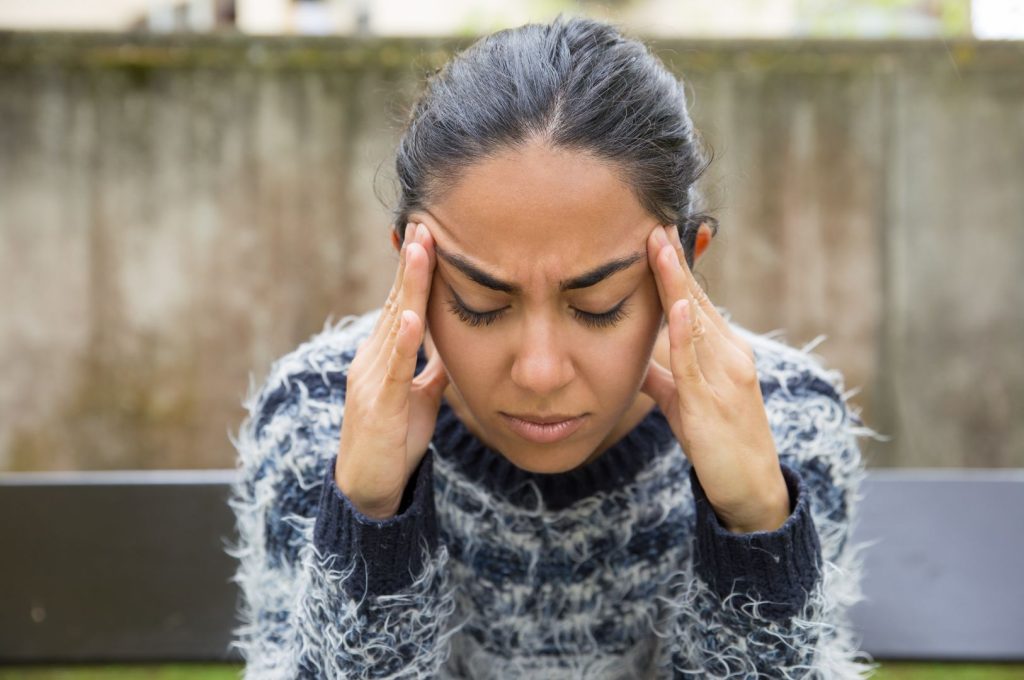
Progesterone usually starts declining earlier than estrogen, and it doesn’t make a big announcement when it leaves.
Progesterone is the calming hormone. It supports sleep, steadies mood, and takes the edge off estrogen’s highs. When it drops, things can feel sharper:
- Trouble falling or staying asleep
- PMS-like symptoms that seem to stretch longer
- Irritability or restlessness
- A shorter fuse than you’re used to
You might still have regular cycles and think, This can’t be perimenopause.
But progesterone doesn’t wait for cycles to change before it bows out.
Cortisol: The Stress Amplifier
Here’s where life gets unfair.
As estrogen and progesterone fluctuate, your stress hormone—cortisol—becomes harder to regulate. Things that once rolled off your back suddenly stick.
Deadlines feel heavier. Noise feels louder. You’re tired but wired, calm but edgy. Sometimes all in the same afternoon.
This is why stress tolerance often drops during perimenopause. Not because you’re failing at self-care—but because your hormonal buffering system is thinner.
Insulin and Blood Sugar Shifts
You might notice hunger feels different, too. Cravings come faster. Energy crashes feel steeper.
Hormone shifts affect how your body handles blood sugar, which can show up as:
- Feeling shaky if you skip meals
- Afternoon fatigue
- Stronger sugar or carb cravings
- Mood dips that feel oddly physical
This isn’t about willpower. It’s physiology adjusting to a new rhythm.
Common Symptoms—And Why They Don’t Follow Rules
One of the most frustrating parts of perimenopause is the randomness.
Symptoms don’t arrive in neat packages. They overlap. They disappear. They come back wearing different disguises.
You might experience:
- Poor sleep without hot flashes
- Weight gain without dietary changes
- Brain fog that comes and goes
- Anxiety without an obvious trigger
- Periods that feel heavier, lighter, shorter, longer—or all of the above
And here’s the kicker: two women the same age can have completely different experiences.
That’s why understanding perimenopause hormone changes what to expect isn’t about predicting symptoms—it’s about recognizing patterns.
What Perimenopause Feels Like Month to Month
Some months, you feel steady. Other months, everything feels off-kilter.
You might think, Okay, this phase is over.
Then the next cycle proves you wrong.
Hormone fluctuations aren’t linear. They respond to stress, sleep, nutrition, illness, and even seasonal changes. Winter fatigue can hit harder. Busy seasons of life can amplify symptoms.
Tracking how you feel—not obsessively, just noticing—can be more helpful than tracking dates on a calendar.
How Long Does This Phase Last?

Short answer: longer than most people expect.
Perimenopause can last anywhere from four to ten years. That doesn’t mean constant discomfort—but it does mean your body is recalibrating for a while.
And eventually, your body does settle into a new rhythm. If you’re approaching that stage or already there, you may find it helpful to read How to Support Hormones After Menopause, where we focus on long-term stability and sustainable hormone support.
Supporting Hormones Without Fighting Your Body
You don’t need to overhaul your life. Honestly, aggressive changes often add more stress.
Small, steady adjustments matter more.
Food That Keeps Blood Sugar Steady
Eating regularly, prioritizing protein, and pairing carbs with fats can help smooth energy dips. This isn’t about perfection—it’s about consistency.
Stress That’s Actually Manageable
Meditation apps are great, but so is walking, stretching, or saying no to one unnecessary commitment. Cortisol responds to perceived safety, not productivity.
Sleep That Supports Progesterone
Evening routines matter more now. Light exposure, caffeine timing, and nervous-system downshifting can make a noticeable difference.
Movement That Feels Supportive
Gentle strength training and walking often work better than punishing workouts during this phase. More isn’t always better.
If this feels familiar, you might also want to read Hormone Imbalance After 40, which connects many of these patterns together.
When Extra Support Makes Sense
If symptoms feel overwhelming, persistent, or suddenly intense, it’s okay to ask for help.
That might mean lab work. It might mean a second opinion. It might mean working with someone who understands midlife hormones beyond “everything looks normal.”
Normal ranges don’t always mean optimal function.
One Last Thing—Because It Matters
Your body isn’t malfunctioning.
It’s adapting.
Perimenopause is a transition, not a decline. The confusion, the mood shifts, the strange symptoms—they’re signals, not failures.
Once you understand perimenopause hormone changes, what to expect, the fear softens. You stop blaming yourself. You start listening differently.
And that changes everything.
You’re not losing control.
You’re learning a new language, your body is speaking.
And with time, it starts to make sense.