
You know that moment when your body starts sending quiet little signals — the kind you almost talk yourself out of noticing? Maybe your jeans feel snug for no apparent reason, or your energy dips at the same time every afternoon, or you’re lying awake between 2 and 4 a.m. with your mind buzzing. Those changes feel random at first, but they often trace back to a surprising root: your liver.
It’s not the most glamorous organ. It doesn’t get the hype your gut does. But when it comes to hormone health — especially after 40 — your liver might be the hardest-working, most undervalued part of your entire system. And supporting it isn’t about doing anything extreme. It’s about giving it a little breathing room.
If you’ve read Foods That Help Balance Hormones Naturally or How to Fix a Hormone Imbalance Naturally, you already know how closely your hormones respond to everyday lifestyle choices. This article takes that one step further: it shows you how liver support for hormone balance becomes a quiet superpower for midlife women.
Why Your Liver Matters More Than You Think
Let’s start with something simple: your liver never rests. It’s constantly filtering, breaking down, packaging, and shipping things out of your body. Think of it like the most competent operations manager you’ve ever worked with — the person who somehow handles chaos without flinching, except the liver’s juggling hormones, toxins, alcohol, caffeine, environmental chemicals, food additives, and everything your body doesn’t want to hang on to.
Here’s the thing most women don’t realize:
Your liver is the organ that breaks down and removes excess hormones — especially estrogen.
Every time your liver is overloaded, estrogen can be recycled back into your bloodstream instead of being eliminated. And that’s when symptoms show up:
- Heavy or painful periods
- Bloating
- Irritability
- Tender breasts
- Slower metabolism
- Belly weight that seems glued in place
- That wired-but-tired feeling you can’t shake
When someone says “estrogen dominance,” this is often what they mean — not that you’re producing too much estrogen, but that your liver is struggling to clear it efficiently.
And once we cross 40, everything gets a little more sensitive. Hormones fluctuate. Stress stacks up. Sleep shifts. Our bodies become less forgiving of things we used to power through in our 30s. Supporting your liver isn’t about doing a cleanse or something punishing — it’s about letting the organ that already works so hard function as it’s supposed to.
How the Liver Processes Hormones (Without Getting Too Technical)
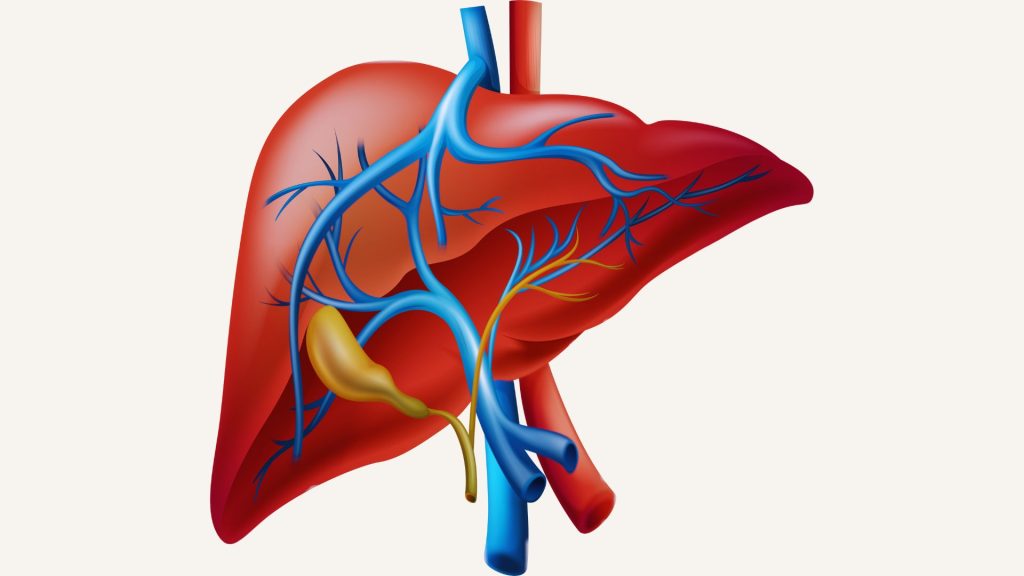 If your liver were a factory, it would have two major assembly lines working around the clock.
Phase 1: Breaking Down the Old Stuff
This step transforms hormones and toxins into forms that can be removed. Think of it as “disassembly.” Estrogen, cortisol, thyroid hormones — they all go through this phase.
Phase 2: Packaging Hormones for Removal
This is where the liver attaches nutrients (like amino acids, sulfur compounds, or antioxidants) to those broken-down hormones so they can leave the body safely — through your gut, kidneys, or skin.
If Phase 1 is humming along but Phase 2 doesn’t have what it needs, your body gets stuck in a weird hormonal bottleneck. That’s why nutrition matters so much here.
You don’t need to learn biochemistry to support your liver. You just need to know this:
Your liver thrives when it’s nourished, hydrated, and not overwhelmed.
Is Your Liver Asking for Help? Signs to Look For
Sometimes your liver whispers. Sometimes it yells. Most women walk around with subtle signs for years without realizing they’re connected:
- Bloated belly or sluggish digestion
- Mood swings or irritability you can’t explain
- Sugar cravings that feel oddly persistent
- Acne or minor rashes that flare randomly
- Waking between 2–4 a.m. (classic liver pattern)
- PMS intensifies with age
- Tender or swollen breasts
- Slow weight loss despite doing “everything right.”
- Caffeine is suddenly hitting way harder
- Alcohol sensitivity — one drink feels like three
These don’t mean something is wrong with your liver. They usually mean it’s working harder than it should.
And here’s a little-known fact:
Women in perimenopause often experience these symptoms because the liver is trying to clear unpredictable hormonal fluctuations while juggling a normal workload. It’s not broken — it’s just busy.
The Best Ways to Support Your Liver for Better Hormone Balance
If you’re expecting a harsh detox protocol, don’t worry — this isn’t that. Real liver support looks far gentler and far more sustainable.
Let’s walk through what actually moves the needle.
1. Eat the Foods Your Liver Loves
Your liver doesn’t need fancy supplements to be happy. It needs nutrients — the kind you find in simple, whole foods that taste good and don’t require a science degree to prepare.
Here are your liver-loving staples:
Cruciferous Vegetables
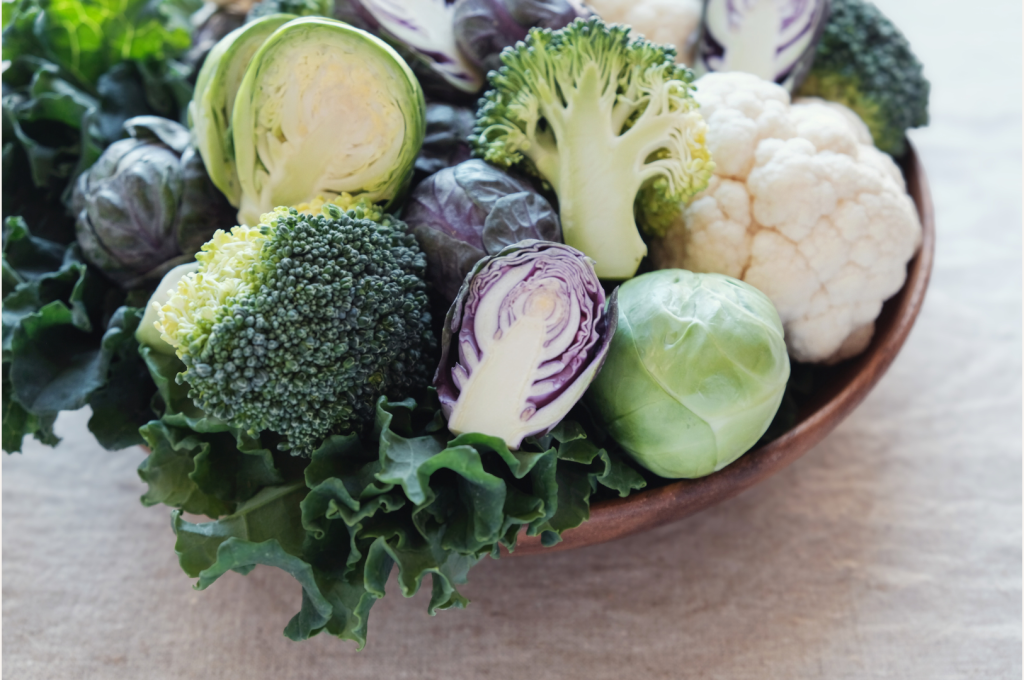 Broccoli, kale, cauliflower, Brussels sprouts, cabbage — these contain compounds that help your liver break down estrogen safely.
Many women notice lighter PMS by adding 1–2 servings a day.
Beets, Carrots, and Leafy Greens
These are rich in antioxidants and support Phase 2 detox pathways. They’re basically like giving your liver better office supplies.
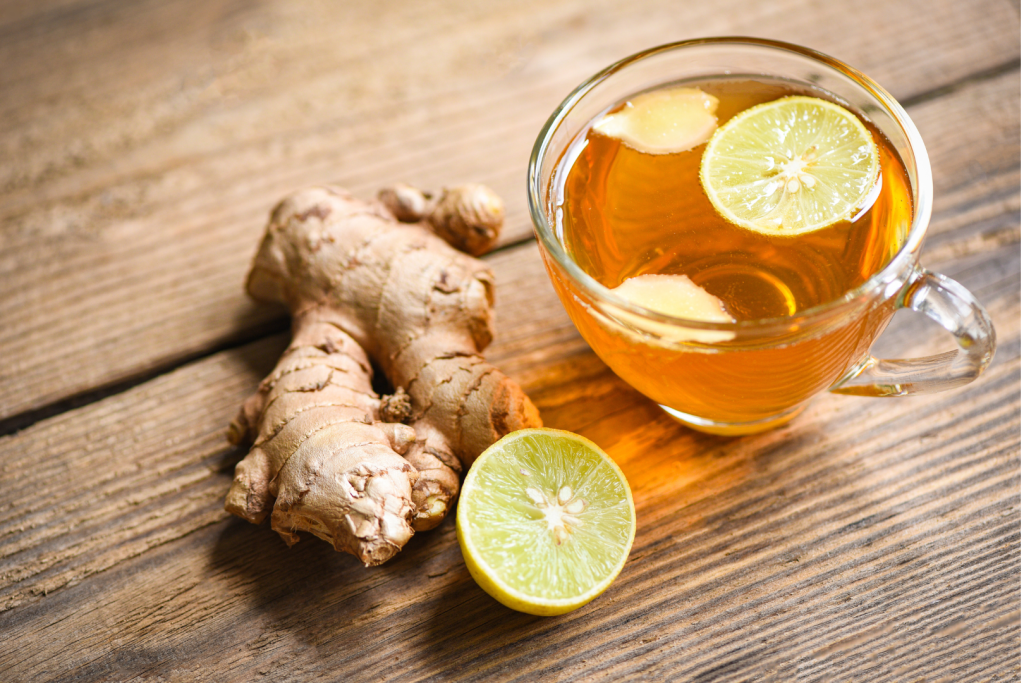
Garlic, Turmeric, Ginger
Small but mighty. These ingredients help reduce inflammation and support detoxification enzymes.
Citrus Fruits
Lemons, grapefruits, oranges — they’re especially helpful for bile flow, which helps your body remove hormones.
Fiber (The Underrated Hero)
When estrogen leaves the liver, it’s sent to your gut.
If you’re not consuming enough fiber or having regular bowel movements, estrogen gets reabsorbed.
Fiber is not glamorous, but it’s essential.
Simple rule:
Aim for 25–30 grams a day. Your hormones will thank you.
If you want more food ideas, Foods That Help Balance Hormones Naturally is a great companion read.
2. Build a Daily “Detox Plate” (Without Feeling Like You’re Dieting)
A detox plate isn’t a fad thing — it’s just a simple way of building meals that give your liver what it needs.
Include:
- 1 serving of protein (chicken, fish, beans, Greek yogurt, lentils)
- 1–2 servings of vegetables, preferably cruciferous or leafy
- 1 serving of healthy fats (avocado, olive oil, nuts, seeds)
- High-fiber carbs (berries, quinoa, oats, sweet potatoes)
If you ever feel confused about meal structure, think back to the balanced plate method from How to Fix a Hormone Imbalance Naturally. It’s all connected.
3. Cut Back on the Things That Stress Your Liver
This part isn’t about restriction. It’s about reducing the extra workload so your liver can focus on hormone processing.
Here are the biggest stressors:
Alcohol
It’s not about never drinking. It’s about recognizing it’s one of the liver’s top priorities — always processed first, before hormones. Even small reductions help.
Ultra-Processed Foods
Additives, dyes, preservatives — they all pile onto the liver’s to-do list.
Excess Sugar
Sugar can burden the liver, especially in midlife when insulin sensitivity drops. If you haven’t read The Truth About Sugar and Hormones, it’s worth circling back to.
Too Much Caffeine
Again, this isn’t about giving it up. It’s about moderation and timing — having it after breakfast instead of on an empty stomach helps.
Plastics (BPA/Phthalates)
These chemicals mimic estrogen. Use glass or stainless steel whenever possible.
Environmental Toxins
Household cleaners, scented candles, sprays — even small changes (like better ventilation or using fewer synthetic fragrances) lighten the load.
You don’t have to overhaul your life. Just choose one area to start with.
4. Support Your Detox Pathways Daily (The Gentle Stuff That Works)
People imagine “detoxing” as something dramatic. But your liver detoxifies around the clock — you’re just helping it work more smoothly.
Hydration
 Water is essential for flushing out the byproducts of hormone metabolism. Most people are mildly dehydrated without realizing it.
Sweating
Saunas, exercise, and brisk walking — they all help remove toxins through the skin.
Epsom Salt Baths
Magnesium sulfate supports relaxation and detox pathways. Simple, inexpensive, and surprisingly effective.
Deep Breathing
Oxygen helps your liver work more efficiently. Slow breathing also lowers cortisol — especially helpful in perimenopause.
Daily Movement
You don’t need a formal workout. Even a 20-minute walk supports circulation, lymph flow, and metabolism.
Regular Bowel Movements
This might not sound glamorous, but it’s essential. Hormones must leave the body through the gut; constipation slows everything down.
5. Supplements That Support Liver and Hormone Health
Always remember: supplements support your liver, but they don’t replace healthy habits.
Here are options commonly used for liver support for hormone balance:
- Milk Thistle — antioxidant support
- NAC (N-acetylcysteine) — helps with glutathione production
- DIM — supports estrogen metabolism (but best with practitioner guidance)
- Magnesium — supports detox pathways and sleep
- B Vitamins — needed for both Phase 1 and Phase 2 detox
- Omega-3s — reduce inflammation
- Probiotics — help with estrogen clearance in the gut
No need to take everything — choosing one or two can be enough.
6. Why “Detox Diets” Aren’t the Answer
It’s easy to think you need a massive overhaul to reset your hormones. But extreme detoxes, juice cleanses, or restrictive plans often backfire — especially after 40.
Here’s why:
- They spike stress hormones
- They slow down metabolism
- They reduce the nutrients your liver actually needs
- They’re hard to sustain
- They can make PMS worse
Supporting your liver is about consistency, not extremes.
Small habits trickle down into big hormonal improvements.
7. Simple Habits That Keep Your Liver Running Smoothly
If you want an easy starting point, here are daily rituals that make a real difference:
- Drink a full glass of water when you wake up
- Eat breakfast before coffee
- Add one serving of cruciferous veggies each day
- Swap plastic water bottles for stainless steel
- Move your body for at least 10–20 minutes
- Eat enough protein in your meals
- Wind down before 10 p.m. to support natural liver rhythms
- Add bitter foods like arugula, dandelion, or lemon water
These habits may seem minor. But stacked together, they change how you feel.
8. When to Consider Testing
Sometimes you want more clarity. In that case, these are the tools practitioners often use:
- DUTCH Test (estrogen metabolites and cortisol patterns)
- Comprehensive stool test (gut-driven estrogen recycling)
- Liver enzyme panel (AST, ALT)
- Thyroid and cortisol markers
Testing isn’t required. But it can be helpful if you’ve been struggling with symptoms for a long time.
Final Thoughts: Supporting Your Liver Is One of the Kindest Things You Can Do for Your Hormones
Here’s the truth most women don’t hear enough: your liver is already doing everything it can to keep you balanced. It works quietly in the background, asking for very little. When life gets busy — when hormones fluctuate, when stress builds, when your schedule doesn’t leave much room for rest — this organ carries the load.
Liver support for hormone balance isn’t about restriction or perfection. It’s about nourishment, consistency, and giving your body a chance to catch its breath.
And with every small change — an extra glass of water, a handful of greens, a little less caffeine, a few minutes outside — you create conditions where your hormones can settle, your energy can return, and your body can feel more like itself again.
If you want more guidance, pairing this article with Foods That Help Balance Hormones Naturally and How to Fix a Hormone Imbalance Naturally will give you a strong foundation to support your hormones through every season of midlife.
You deserve to feel balanced. And your liver is ready to help you get there.