
There’s a quiet moment many women notice after menopause.
Irregular cycles are behind you now, and things feel more predictable. That can be a relief. Still, you might notice that something feels different.
Your body feels calmer, but your metabolism may seem slower. Sleep might be lighter, and keeping muscle can be more challenging. Weight around your middle can show up and be hard to lose.
You might find yourself thinking: I thought once menopause was over, things would stabilize.
They do stabilize. Just not in the way most of us expect.
If you’re wondering how to support your hormones after menopause, it’s not about trying to restart your cycle or fix something that’s broken. It’s about helping your body adjust to a new normal and a new routine.
Let me explain.
First, What Actually Happens After Menopause?
After menopause, estrogen doesn’t disappear. It settles at a lower level. Progesterone stays low. Testosterone shifts gradually. Cortisol becomes more influential. Insulin sensitivity can change.
But here’s the part many women miss — these shifts often don’t start suddenly at menopause. For many women, the early signs show up years earlier. If you’ve ever wondered whether what you were feeling in your 40s was already hormone-related, I break that down in my article on Hormone Imbalance After 40.
During your cycling years, estrogen and progesterone did a lot of heavy lifting. They buffered stress. They supported the insulin response. They protected bones and muscles. They even influenced how you stored fat.
Now, without monthly hormonal changes, your body runs on a steadier but lower level of hormones.
This isn’t a decline. It’s your body adjusting to a new balance.
If you want a more extensive context of what happens during the transition itself, my article on Hormone Health During Menopause walks through that stage in detail. Post-menopause is simply the next chapter.
The key is that supporting hormones after menopause isn’t just about raising a number on a lab test. It’s about helping the systems that hormones affect, like metabolism, muscle, stress response, sleep, and inflammation.
Why Hormone Support Still Matters (Even Without a Cycle)
Sometimes women ask, “If I’m done cycling, why do I need to think about hormones at all?”
Because hormones are still running the show behind the scenes.
After menopause, hormone health affects:
- Bone density
- Muscle mass
- Brain clarity
- Mood stability
- Cardiovascular health
- Blood sugar control
Estrogen used to help control where your body stored fat and how sensitive you were to insulin. With less estrogen, blood sugar changes can feel stronger. Stress may feel more intense, and muscle loss can happen faster if you’re not careful.
These changes don’t happen overnight. They are slow and subtle, building up over time.
That’s why learning to support your hormones after menopause is less about urgency and more about being consistent.
Nutrition: The Foundation (Not the Trendy Part)
Honestly, this is the part people want to skip. They want the supplement stack or the one “magic” food.
But nutrition is the base that supports everything else.
Protein Becomes Non-Negotiable
After menopause, muscle preservation is hormonal insurance.
Muscle improves insulin sensitivity. It stabilizes blood sugar. It protects metabolism. It supports bone.
Try to include protein at every meal. Make sure it’s a real serving, not just a small amount.
For many women over 40, that means roughly 25–35 grams per meal, depending on body size and activity.
Think eggs plus Greek yogurt at breakfast. Chicken or salmon at lunch. A solid portion at dinner.
And yes, it may feel like more protein than you’re used to. That’s normal.
Fats Are Not the Enemy
Low-fat dieting was popular in the 90s. Many of us grew up with it.
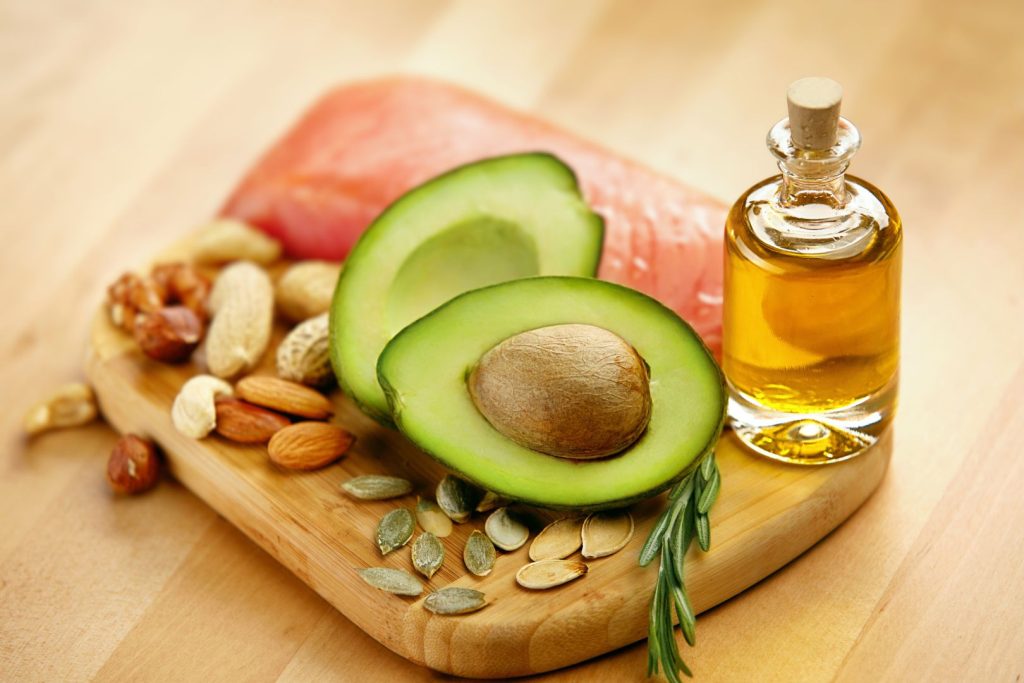
After menopause, adequate intake of healthy fats helps regulate inflammation and support hormone production. Omega-3s from salmon, sardines, flax, or chia matter more than ever.
Olive oil, avocado, and nuts aren’t just treats. They are important parts of your diet.
Fiber: The Quiet Hero
Fiber supports gut health, which in turn influences estrogen metabolism and blood sugar levels.
Aim for 25–35 grams daily from vegetables, berries, beans, lentils, and whole foods.
If you want a deeper breakdown of supportive foods, my guide, Foods That Help Balance Hormones Naturally, expandsion this with practical examples you can rotate throughout your week.
Strength Training: Your New Best Friend (Even If You Resist It)
Here’s where we shift from theory to action.
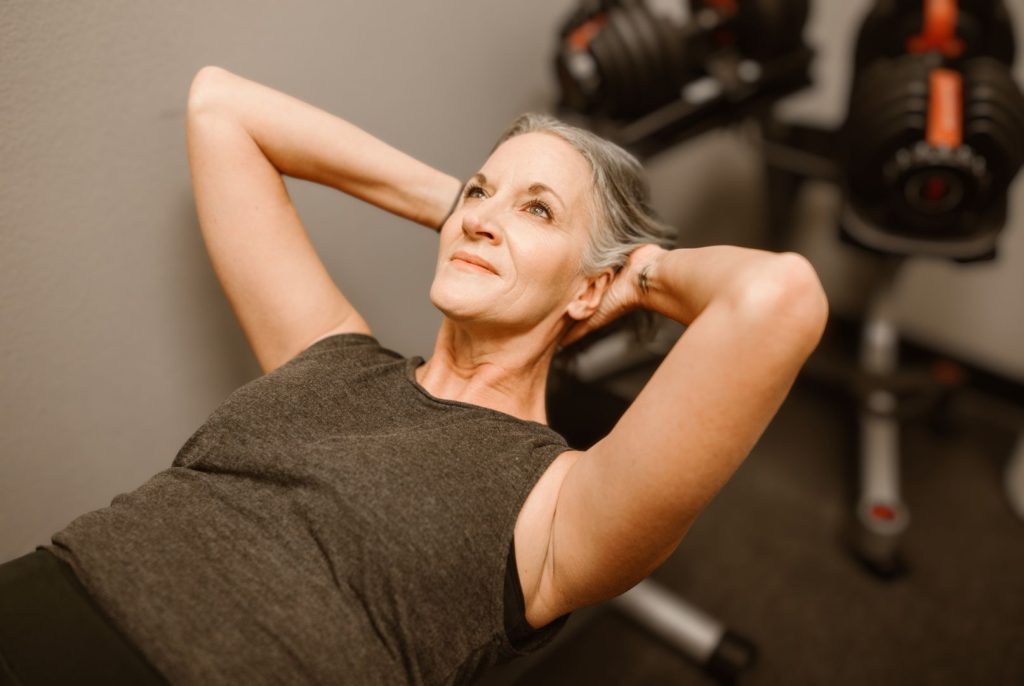
If you’re serious about how to support hormones after menopause, strength training is not optional.
Twice a week is good. Three times is better.
You don’t need to live in the gym. But your muscles need resistance. Progressive resistance. That means a gradual increase in weight over time.
Why?
Because strength training:
- Preserves lean muscle
- Improves insulin sensitivity
- Supports bone density
- Reduces visceral fat
- Enhances metabolic flexibility
Cardio still has a place. Walking, hiking, cycling—they’re excellent for heart health and stress reduction.
But muscle is especially important for your metabolism after menopause.
I know some women hesitate. They worry about bulking. Or they feel intimidated.
You won’t bulk easily after menopause. If anything, building muscle demands deliberate effort. Start small.
Dumbbells at home. Pilates with resistance. A structured program.
It doesn’t need to be fancy. What matters is doing it regularly.
Cortisol: The Hormone That Gets Louder
After menopause, cortisol tends to be more pronounced.
Without the buffering effect of cycling hormones, stress can feel more physical. Sleep disruptions hit harder.
Fat storage around the midsection can increase.
And here’s the contradiction: you need exercise, but too much high-intensity training may increase stress further.
This is where balance matters.
Getting morning sunlight helps regulate your cortisol levels. Even a 10-minute walk outside after you wake up can help.
Strength training supports resilience. But daily all-out HIIT sessions? Probably not necessary.
You know what else helps? Predictability.
Going to bed at the same time, eating regular meals, and walking most days may seem boring, but these routines are very helpful after menopause.
If you’ve ever dealt with a hormone imbalance after 40, you already understand how stress and blood sugar intertwine. That doesn’t stop after menopause—it just shifts.
Sleep: The Most Underrated Hormone Strategy
Sleep isn’t just rest. It’s hormonal repair.
Growth hormone peaks during deep sleep. Insulin sensitivity improves. Cortisol resets.
Yet many women in their 50s and 60s report lighter sleep.
So what helps?
- A consistent sleep window
- Lower evening light exposure
- Magnesium glycinate, if appropriate
- Limiting late-night alcohol (I know, I know)
Even a simple evening routine, like dimming the lights, having herbal tea, or doing some light stretching, can help your body get ready for sleep.
It doesn’t have to be elaborate. It just needs to be steady.
Supplements: Support, Not Substitutes
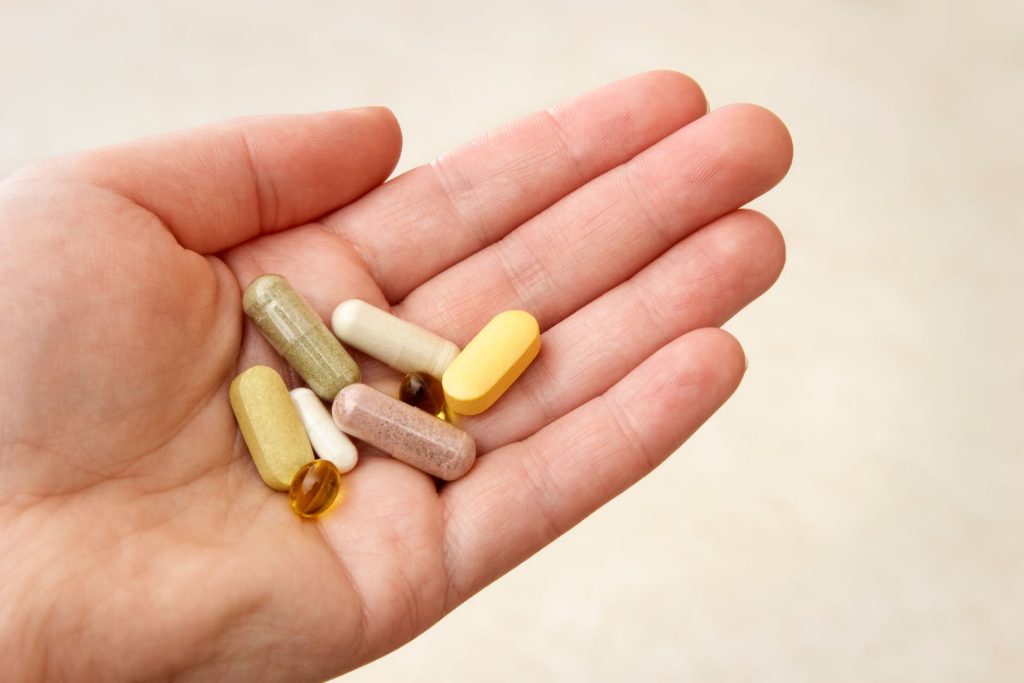
Supplements can help—but they can’t override lifestyle.
Common options women explore after menopause include:
- Magnesium (for sleep and stress support)
- Omega-3 fatty acids
- Vitamin D3 with K2
- Creatine (for muscle and cognitive support)
Creatine, especially, has recently attracted attention among women in midlife. It supports muscle strength and may help preserve lean mass. It’s no longer only for bodybuilders.
That said, individual needs vary. Lab testing can guide decisions, especially for vitamin D or thyroid markers.
But supplements work best when you already have the basics in place, like eating enough protein, doing resistance training, getting good sleep, and managing stress.
A Brief Word About HRT
Hormone replacement therapy is a personal decision.
For some women, it significantly improves the quality of life. For others, lifestyle support alone feels sufficient.
If you’re considering it, have an informed discussion with a provider who understands midlife physiology.
And remember, even if you use HRT, strength training, good nutrition, and stress management are still important. Hormones work together with your lifestyle, not instead of it.
What Not to Do After Menopause
Sometimes clarity comes from contrast.
Avoid:
- Crash dieting
- Extreme calorie restriction
- Overdoing cardio while under-eating
- Ignoring protein
- Living in chronic stress mode
After menopause, your body is less forgiving of extremes.
It responds better to steady input.
In a world that loves quick changes, this steady approach might seem boring. But being steady is what works best here.
A Simple Weekly Framework (Start Here)
If this feels like a lot, simplify.
A week might look like:
- 3 strength sessions
- 7–10k steps most days
- Protein at each meal
- 25–35g fiber daily
- Morning light exposure
- Consistent sleep window
That’s it.
It’s not about being perfect or tracking everything. It’s about finding a steady routine.
The Bigger Picture
Supporting your hormones after menopause isn’t about turning back the clock. It’s about building a strong foundation for your health.
You are not broken.
Your body needs stability, not constant stimulation. It needs strength, not restriction. It needs nourishment, not punishment.
And honestly? There’s something encouraging about that.
Menopause ends one phase of hormones, and post-menopause begins another. In this new phase, resilience, muscle, sleep, and calm are your foundation.
If you approach this season with consistency and patience, your body will respond. Maybe not overnight. But steadily.
And steady, at this stage, is powerful.