

A gentle guide for women who want steadier energy, calmer moods, and a body that finally feels like it’s working with them again.
Why Your Body Feels Different After 40 (Even Though You’re Eating the Same)
A hormone balance diet plan for women becomes essential sometime between 40 and 50, when your body starts sending quiet signals that something’s changing. You eat the same breakfast you’ve had for years, but now you’re hungry again an hour later. You sleep, but wake up tired. You try to “be good,” yet by Thursday, your jeans still feel snug.
If that sounds familiar, you’re not imagining it.
Hormones shift, especially during perimenopause and menopause, and food suddenly matters a lot more than it used to.
And here’s the thing: you don’t need a complicated elimination diet or a fancy meal-prep spreadsheet to support yourself. What you do need is a more intentional rhythm — an eating pattern that helps your hormones communicate instead of collide.
That’s where a hormone balance diet plan for women becomes surprisingly powerful.
Before we get into it, if you haven’t already, you may want to take a look at my previous guide, Foods That Help Balance Hormones Naturally. It gives a helpful foundation for what we’re talking about here.
If you’re looking for a simple place to start, I also created a free Lite 7-Day Hormone Balance Meal Plan with real food ideas you can repeat or swap — no restriction, no tracking.
You can download it here and come back to this article anytime.
Now, let’s talk about what this 7-day plan actually is…and what it isn’t.
What a Hormone-Balancing Diet Really Does (No Science Degree Required)
Hormones are like traffic lights. They tell your body when to wake up, when to slow down, when to store energy, and when to burn it. When these signals flash in the wrong sequence — or get stuck — everything feels “off.”
Here’s the short version of what food can influence:
- Insulin: Keeps blood sugar stable so you avoid crashes, cravings, and that 3 p.m. slump that feels like your soul just walked out the door.
- Estrogen: Needs the right fiber and nutrient support so it can be metabolized properly.
- Progesterone: Naturally declines after 40, which is why calmness and quality sleep feel harder to access.
- Cortisol: The stress hormone that spikes easily when meals are inconsistent.
- Thyroid hormones: Affect energy and metabolism; they rely on minerals like iodine and selenium.
When you eat in ways that steady these signals, your body stops feeling like a mystery novel with missing pages.
And honestly? Most women over 40 don’t need a restrictive plan — they need rhythm, nourishment, and consistency.
That’s exactly why I put together a Lite 7-Day Hormone Balance Meal Plan — it turns these principles into simple meals you can actually use day to day.
You can download it here if you want to see what this looks like in real life.
The Core Principles Behind This Hormone Balance Diet Plan for Women
These aren’t rules. They’re gentle guideposts that help your hormones breathe a little.
1. Keep Blood Sugar Steady (Your Mood Will Thank You)
Think: protein + fiber + healthy fats at every meal.
It sounds simple, but it keeps insulin from spiking and crashing — which also helps lower cortisol.
2. Support Estrogen the Right Way
Your liver and gut need fiber-rich vegetables (especially cruciferous ones) and whole grains to efficiently process estrogen. Without that support, estrogen builds up and creates symptoms like bloating, breast tenderness, stubborn weight, or mood swings.
3. Lower Inflammation Without Making It a Whole Thing
Omega-3 fats (salmon, walnuts), ginger, turmeric, and deeply colored veggies help calm inflammation, which often rises with age and hormonal shifts.
4. Calm Cortisol Through Steady Eating
Skipping meals? Eating random snacks in the car? Grabbing whatever’s in the break room?
Those habits spike cortisol, and your body interprets it as stress — even if you don’t feel stressed.
5. Give Your Thyroid the Minerals It Needs
Small amounts of:
- selenium (Brazil nuts, eggs)
- iodine (seafood, high-quality iodized salt)
- zinc (pumpkin seeds, lentils)
These support thyroid hormone conversion — the thing that influences metabolism and energy.
6. Nourish Your Gut (It Talks to Your Hormones All Day)
A healthy gut helps your body eliminate excess estrogen and absorb key nutrients.
This is where fermented foods, fiber, and gentle digestion support come in.
Foods That Help You Feel Like Yourself Again
Let’s talk about what actually works — without giving away the 7-day menu just yet.
Proteins That Keep You Full
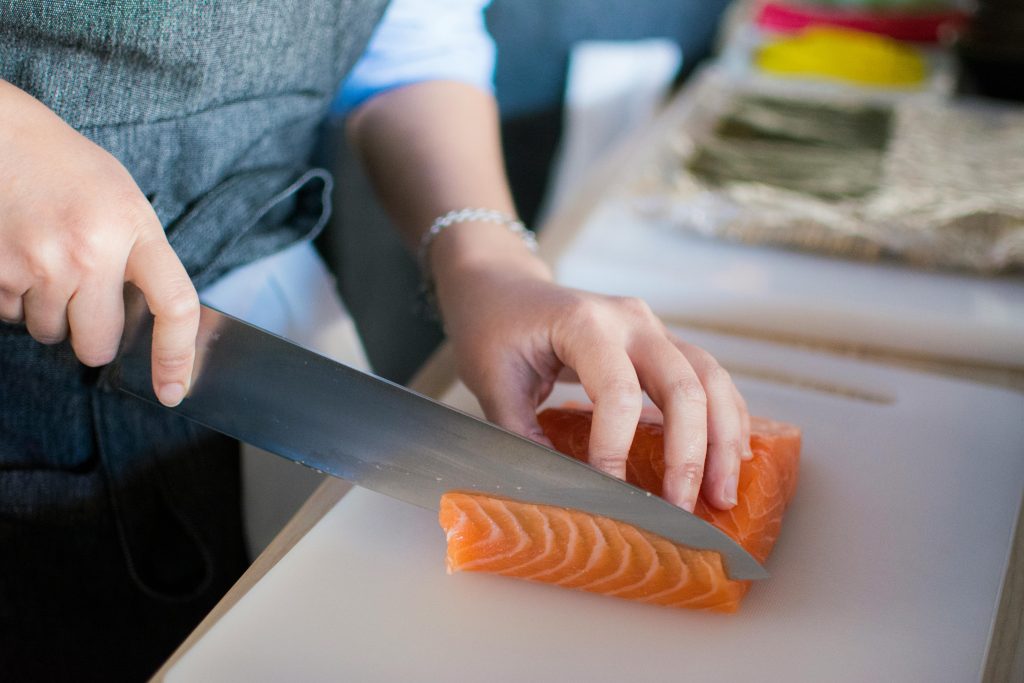
Salmon, chicken, Greek yogurt, eggs, lentils, tofu.
Women over 40 actually need more protein to support metabolism and muscle maintenance.
It’s not a fad — it’s physiology.
Healthy Fats for Hormone Production
Avocado, nuts, olive oil, and seeds.
Fats help you feel satisfied, but they also support your body’s production of steroid hormones like progesterone and estrogen.
Fiber-Rich Vegetables That Your Hormones Love
Broccoli, Brussels sprouts, kale, Swiss chard, cauliflower.
These help your liver escort old estrogen out of your body.
Smart Carbs That Don’t Spike Blood Sugar
Quinoa, sweet potatoes, oats, beans, berries.
They’re your energy foundation — not the enemy.
Fermented Foods for Gut Harmony
Sauerkraut, kimchi, kefir, Greek yogurt.
A happy gut = better hormone clearance.
Herbs & Spices for Extra Support
Cinnamon, turmeric, rosemary, and ginger.
A sprinkle here and there is enough to help lower inflammation.
Hydration Boosters
Filtered water, herbal tea, lemon water.
Sometimes fatigue isn’t hormonal — it’s dehydration masquerading as chaos.
The Foods You Might Want to Limit (Not Forever, Just Strategically)
Let me say this first: perfection is not the goal. We’re not chasing “clean eating,“ whatever that means anymore.
We’re chasing simplicity, stability, and nourishment.
Still, some foods cause trouble:
- Refined sugar → blood sugar rollercoaster
- Alcohol → disrupts estrogen detox
- Highly processed foods → inflammation rises, gut health drops
- Excess caffeine → worsens anxiety, sleep issues, and cortisol spikes
- Fried foods + seed oils → add to overall inflammation
None of this means you can’t enjoy a latte or a glass of wine.
It just means your body may feel better when it’s not a daily habit.
How to Structure Your Day Without Overthinking It
You don’t need exact recipes to start feeling better. You just need a consistent flow — a daily rhythm that works with your hormones.
Here’s how most days should look:
Morning: Build a Strong Base
Protein + fiber.
Instead of a sugary muffin or smoothie that sends you crashing by 10 a.m., choose something that steadies your energy.
Midday: A Balanced Plate
Greens, a fistful of protein, and a smart carb.
Your lunch should feel grounding, not heavy.
Afternoon: Snack With Purpose
A small protein-rich snack prevents the late-afternoon cortisol surge.
Most women mistake this surge for “stress,“ but it’s often just a drop in blood sugar.
If you’re not sure what to reach for, I put together a full guide to Best Snacks for Balanced Hormones with simple, real-life options that support steady energy.
Evening: A Calming Dinner
Cooked vegetables, lean protein, and anti-inflammatory spices.
Think “nourishing and simple,“ not “diet food.”
Nighttime Wind-Down
Herbal tea, magnesium-rich foods, or dark leafy greens.
This supports lower nighttime cortisol and better sleep quality.
And while we’re at it — late-night snacking isn’t a moral failure.
It’s a signal.
Usually, a signal that lunch or dinner wasn’t balanced enough.
**A Sample 1-Day Hormone Balancing Menu
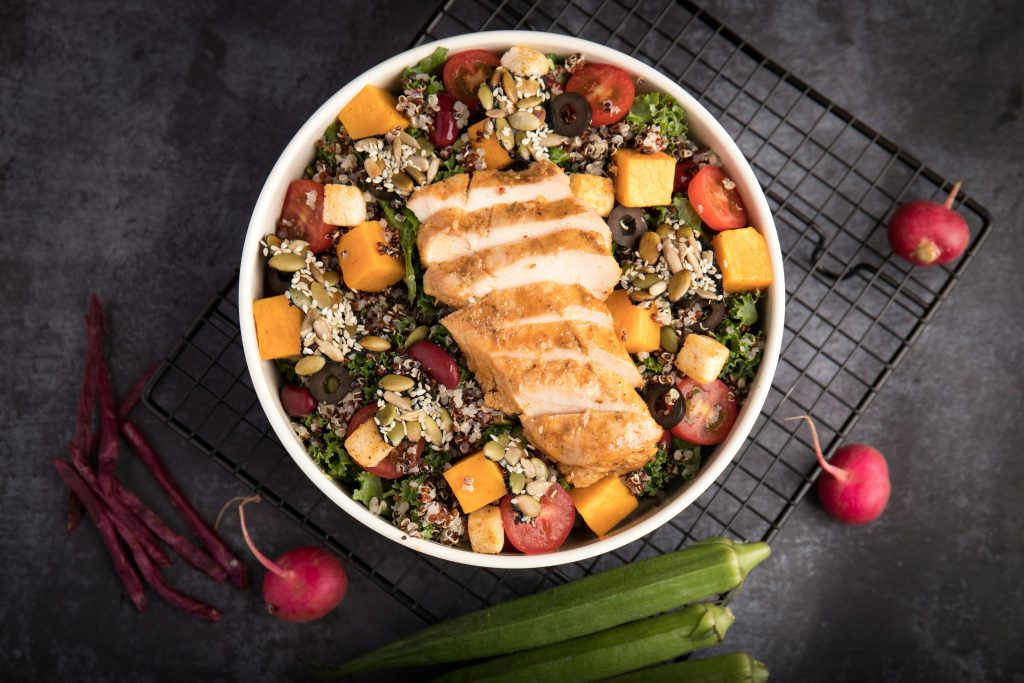
(This is one example from the Lite 7-Day Hormone Balance Meal Plan)**
This example gives you a sense of how the principles fit together.
Breakfast:
Eggs cooked in olive oil with sautéed spinach; side of berries.
(Protein + fiber + antioxidants)
Lunch:
Greens, roasted veggies, quinoa, grilled chicken.
(Complete plate that stabilizes insulin)
Snack:
Greek yogurt with a sprinkle of chia seeds.
(Protein + omega-3s)
Dinner:
Salmon with roasted Brussels sprouts and sweet potato.
(Omega-3s + balanced carbs + hormone-supportive veggies)
Bonus: Lemon water or ginger tea
(Easy on digestion, calming for cortisol)
You’ll notice this isn’t restrictive — it’s just intentional.
If having this laid out for you feels helpful, you can download the full Lite 7-Day Hormone Balance Meal Plan here.
A Simple Way to Start (Free)
If this article resonates, I created a free Lite 7-Day Hormone Balance Meal Plan to help you put these ideas into practice without overthinking it.
It includes:
7 days of real-food meal ideas
Breakfast, lunch, dinner, and snack options
Flexible meals you can repeat or swap
Simple guidance for steady energy and hormone support
You can download it here and use it as a starting point.
What’s Coming Next
I’m also working on a more detailed version with recipes, prep guidance, and symptom-specific options (for things like low progesterone, cortisol imbalance, and blood sugar support).
If you’re on my email list, you’ll be the first to know.
A Few Parting Thoughts (Because You Deserve to Feel Good Again)
You don’t have to overhaul your life to support your hormones.
You don’t even have to meal prep like an influencer.
You just need consistency — simple meals built around real food, eaten at steady times, with a bit of awareness of how your body responds.
You know what?
Your hormones aren’t the enemy. They’re just messengers.
And with the right food patterns, those messages start to make sense again.
If you’re ready to learn more, go check out my article Foods That Help Balance Hormones Naturally. It pairs perfectly with this guide and helps you take the next step toward feeling grounded, calm, and clear again.
And if you want help turning all of this into actual meals, the Lite 7-Day Hormone Balance Meal Plan is a gentle place to start.