
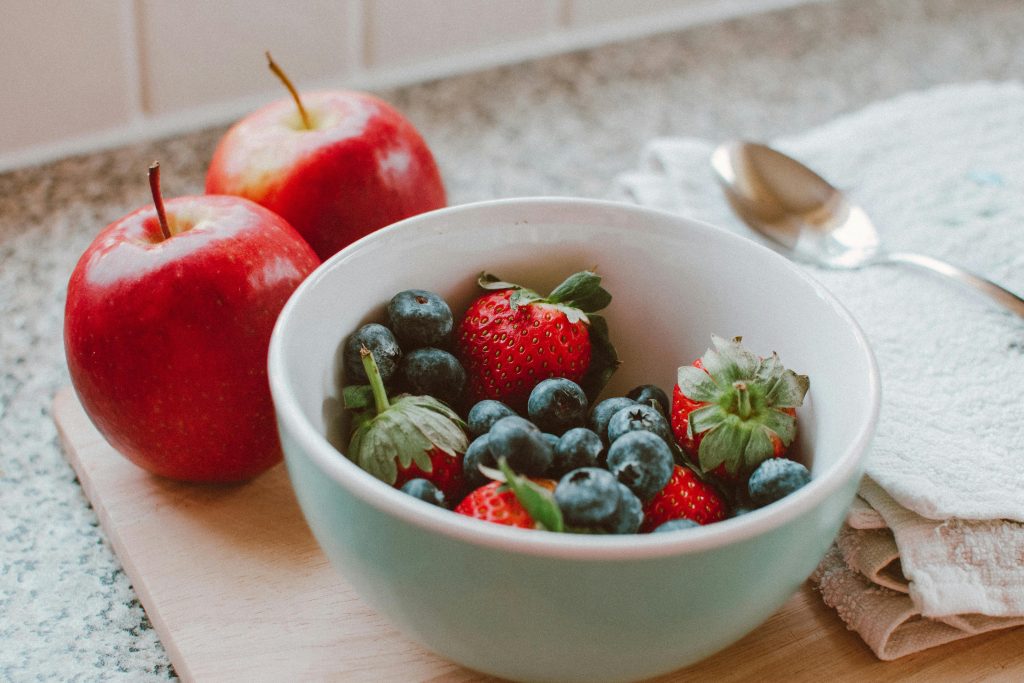
There’s a moment, usually somewhere between your late thirties and mid-forties, when your body starts whispering things you’re not used to hearing. You’re eating what you’ve always eaten, sleeping the way you’ve always slept, and trying to keep life moving the way you always have, but something feels… different. Your energy dips earlier. Your patience gets thinner. Your weight feels harder to manage. And sometimes you wake up feeling like you never actually slept.
You’re not imagining it.
Hormones shift as women hit their forties, and the ripple effects show up everywhere — your mood, metabolism, sleep, appetite, skin, digestion, and even how calm (or not) you feel. Hormonal shifts don’t happen in isolation — chronic stress plays a major role in how those changes show up, especially through cortisol, which I explain in more detail in How Stress Affects Hormone Balance.
The good news? Food is one of the simplest, most effective ways to steady that internal rhythm. Eating foods to balance hormones naturally won’t fix everything, but it can help your body feel like it’s working with you instead of against you. And when you pair supportive food choices with simple, consistent routines — things like how you start your day, manage stress, and wind down at night — the impact is even stronger. I walk through those foundational routines in Daily Habits to Balance Hormones Naturally.
Let’s walk through the foods that truly make a difference and why they matter so much as you move through your forties and beyond.
How Foods Help Balance Hormones Naturally
Before we get into the grocery list, let’s talk about the “why” behind it all because once you understand how hormones respond to food, everything clicks into place.
Hormones love stability. They thrive when blood sugar stays steady, inflammation stays low, digestion runs smoothly, and your liver isn’t overwhelmed. But when blood sugar spikes, when stress hormones run the show, or when your gut feels like a traffic jam, your hormones get out of sync. It’s not dramatic at first; usually, you just feel “off.”
Here’s the thing: the way you eat has a direct impact on your estrogen, progesterone, insulin, cortisol, thyroid hormones — all the ones that matter most in your forties.
A more stable body = more stable hormones.
And it doesn’t require fancy supplements or some restrictive cleanse. Just real, nutrient-dense foods that offer your body the raw materials it needs to function smoothly.
Let me explain how this works through the types of foods that support hormone balance because each of them plays a very different role.
The Best Foods to Balance Hormones Naturally
You know what? Think of this like building a house.
Your hormones are the electrical system, and the foods you eat are the wiring, insulation, foundation, and support beams. Each category below reinforces a different part of that structure.
And yes, you can build a much stronger foundation starting today.
If you like the idea of eating this way but don’t want to figure it out meal by meal, I put together a free Lite 7-Day Hormone Balance Meal Plan to make it simple.
It’s built around these exact foods, with balanced meals you can repeat or swap — no calorie counting, no restriction.
If you want to understand why these foods support hormone balance, you can also read my complete guide to Foods That Help Balance Hormones Naturally.
1. Healthy Fats — The Raw Material for Hormones
If hormones had a favorite food group, this would be it. Healthy fats give your body the building blocks to produce hormones in the first place, especially estrogen and progesterone — both of which change dramatically during perimenopause.
Healthy fats also keep you full, stabilize blood sugar, and help calm inflammation, which, in turn, helps quiet cortisol.
Foods to focus on:
- Avocados
- Extra-virgin olive oil
- Walnuts, almonds, and pistachios
- Pumpkin, chia, and flax seeds
- Fatty fish like salmon and sardines
Think of these as the “hormone construction crew.” Without them, your body is like a builder with no supplies.
Sometimes I hear women say, “But won’t eating more fat make me gain weight?”
Not these fats. Not in these portions. If anything, healthy fats help stabilize appetite and mood — two things that tend to wobble after 40.
2. Fiber-Rich Foods — Especially Cruciferous Veggies
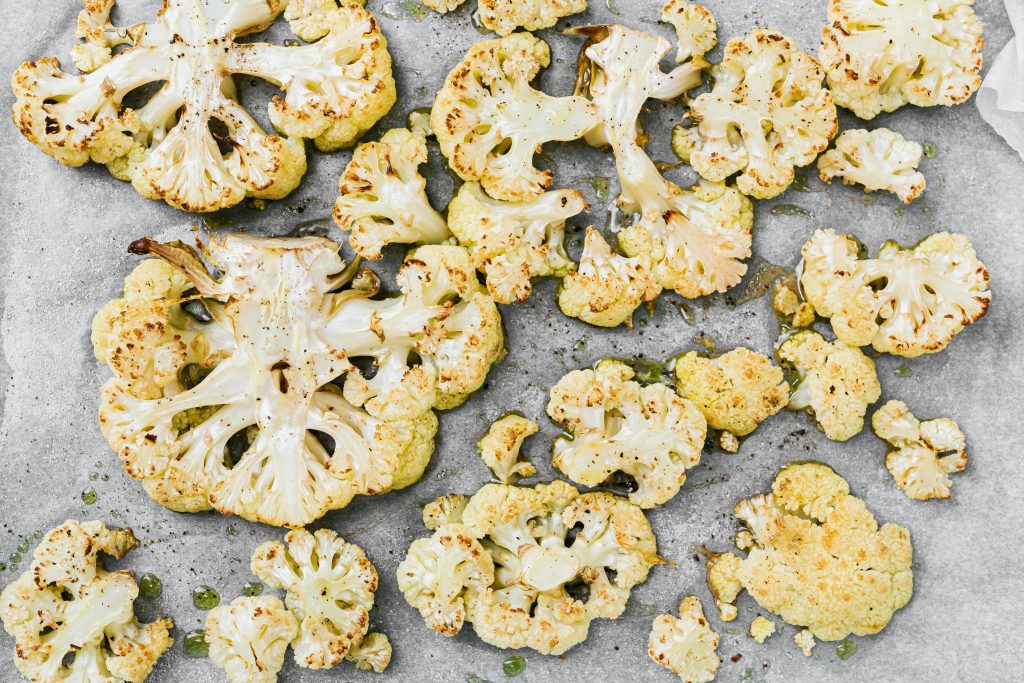
If healthy fats are the building crew, fiber is the cleanup crew. Especially in your forties, your body relies on fiber to help remove old or excess estrogen, support bowel regularity, and keep digestion calm.
When estrogen isn’t cleared well, it can recirculate — making symptoms like bloating, irritability, PMS, and weight changes feel worse.
High-impact fiber foods include:
- Broccoli, cauliflower, cabbage, Brussels sprouts
- Leafy greens
- Berries
- Apples and pears
- Beans and lentils
- Ground flaxseed
And yes, cruciferous vegetables really do help with estrogen metabolism. If you’ve ever joked about “perimenopause belly,” you might be surprised how much better things feel when you eat a handful of cruciferous veggies daily.
3. Protein That Supports Metabolism and Muscle
Protein keeps you full, supports muscle mass (which starts declining after 40), and helps regulate blood sugar — one of the most essential pieces of hormone balance.
When your blood sugar swings wildly, insulin spikes too. And insulin has a direct relationship with cortisol and estrogen. Keep insulin stable, and everything else stays calmer.
Excellent hormone-friendly protein sources:
- Wild salmon
- Eggs
- Chicken or turkey
- Tofu or tempeh
- Greek yogurt
- Beans, lentils, chickpeas
- Collagen or bone broth
A simple rule? Aim for 20–30 grams of protein at meals. It makes a world of difference.
4. Fermented Foods — Because Gut Health = Hormone Health
Your gut does more than digest food. It plays a huge role in hormonal balance, inflammation, and even how you feel emotionally.
A healthy gut microbiome helps your body metabolize estrogen properly, reduces bloating, and supports better nutrient absorption.
Gut-friendly fermented foods:
- Yogurt (unsweetened)
- Kefir
- Kimchi
- Sauerkraut
- Kombucha (watch the sugar)
If you’re thinking, “I’m not a kimchi person,” that’s fine, even a few spoonfuls of yogurt or sauerkraut daily can help.
5. Magnesium + B Vitamin Foods for Stress Hormones
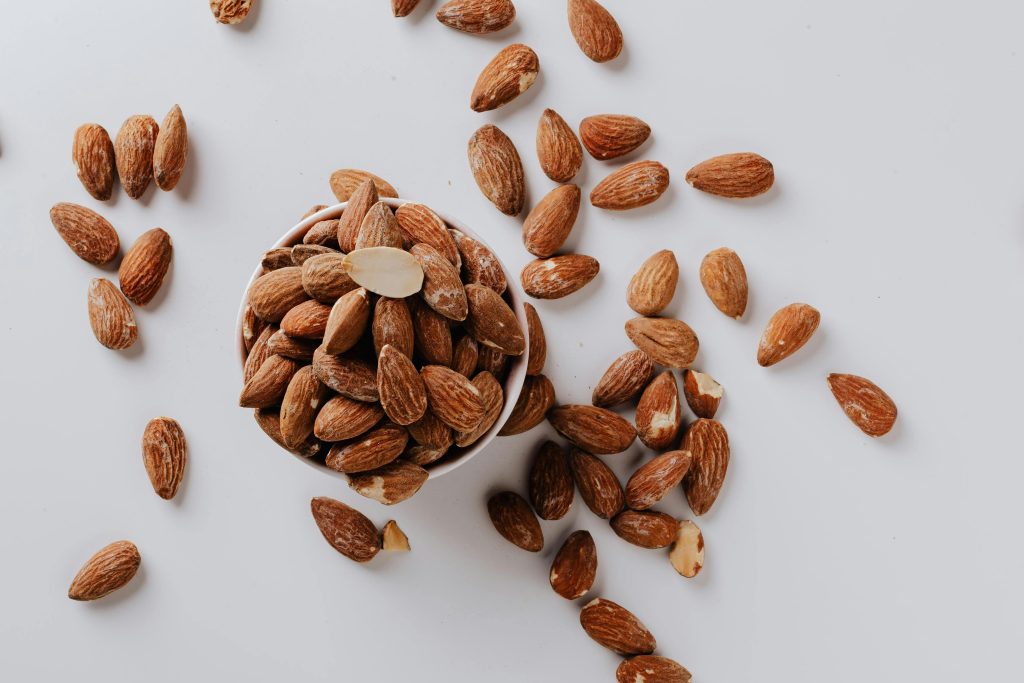
If cortisol had a kryptonite, it would be magnesium. And honestly, most women over 40 aren’t getting enough of it. Magnesium calms the nervous system, supports sleep, and steadies cortisol rhythms.
B vitamins help with energy, mood, and metabolism — especially B6, which supports progesterone production.
Foods rich in magnesium and B vitamins:
- Dark chocolate (70% or higher)
- Spinach
- Almonds
- Chickpeas
- Whole grains
- Pumpkin seeds
- Bananas
There’s something slightly ironic (and delightful) about dark chocolate being good for your hormones — but it truly is.
6. Anti-Inflammatory Foods — Calm the Internal “Noise”
Chronic inflammation acts like background static, disrupting hormone communication. Reduce it, and your hormones operate more smoothly.
Anti-inflammatory foods include:
- Turmeric and ginger
- Blueberries and cherries
- Salmon and sardines
- Olive oil
- Green leafy vegetables
These aren’t trendy superfoods — they’re everyday staples that help your hormones work without friction.
7. Herbal Helpers — Gentle Support from Nature
Herbal additions aren’t required, but they can be helpful, especially during perimenopause when symptoms fluctuate day to day.
Helpful additions include:
- Maca
- Green tea
- Spearmint tea
- Ashwagandha
- Rhodiola
Spearmint tea is surprisingly helpful if you struggle with stress or unwanted facial hair (yes, that’s hormone-related, too).
Foods to Avoid If You Want to Balance Hormones Naturally
Now for the part nobody loves hearing, the foods that stir things up rather than settle them down.
Some foods quietly sabotage hormone balance, even when the rest of your diet looks healthy. I break these down in more detail in The Worst Foods for Hormone Health, but here’s the short version.
These aren’t “never eat again” foods. They’re simply foods that cause more hormonal chaos than clarity.
Sugar
Spikes blood sugar and insulin → disrupts cortisol → affects estrogen and progesterone.
Highly processed snacks
Chips, pastries, and fast food can trigger inflammation and disrupt gut health.
Refined carbs
White bread, white pasta, and pastries; they behave like sugar in the body.
Vegetable oils
Soybean oil, corn oil, and canola oil — they promote inflammation.
Excess caffeine
Too much coffee pushes cortisol higher, especially on an empty stomach.
Alcohol
Your liver has to process it first, which delays estrogen clearance.
If you’ve ever wondered why one glass of wine hits differently in your forties — this is part of it.
A Simple 1-Day Meal Plan Using Foods That Balance Hormones Naturally
You don’t need complicated recipes or a strict meal plan. Simplicity works beautifully.
If you’d rather skip the guesswork, the free Lite 7-Day Hormone Balance Meal Plan walks you through a full week of meals using foods that support hormone balance naturally.
And if you want a deeper explanation of why these foods matter, you can read my complete guide to Foods That Help Balance Hormones Naturally.
Here’s a sample day:
Breakfast
- Greek yogurt with berries
- Ground flaxseed
- Honey (just a drizzle)
- Almonds or walnuts
Lunch
- Grilled salmon
- Roasted broccoli and cauliflower
- Quinoa with olive oil
Snack
- Apple slices with almond butter
- Spearmint tea
Dinner
- Chicken or tofu stir-fry
- Mixed veggies
- Brown rice or cauliflower rice
After-dinner
- A square of 70% dark chocolate
- Chamomile or magnesium-rich herbal tea
This kind of day keeps blood sugar stable, supports estrogen metabolism, feeds your gut, and calms cortisol — all without feeling like a chore.
Frequently Asked Questions About Foods to Balance Hormones Naturally
Can foods really balance hormones naturally?
They can help far more than most women realize. Food influences blood sugar, inflammation, gut health, liver function, and nutrient supply — all crucial for hormone balance.
How long does it take to see changes?
Some women notice shifts within a week — better sleep, better digestion, fewer cravings. More profound changes, such as improved cycle regularity or reduced perimenopause symptoms, take 6–12 weeks.
What foods increase estrogen naturally?
Flaxseed, tofu, tempeh, chickpeas, lentils, and sesame seeds all contain phytoestrogens that gently support estrogen levels.
What foods help lower cortisol?
Magnesium-rich foods, herbal teas, berries, fatty fish, and protein-rich meals all help calm cortisol.
Final Thoughts: Small Daily Choices Create Big Hormone Shifts
Women often think hormone balance has to be complicated — special tests, strict routines, supplements lined up like tiny soldiers on the counter. But food is the quiet, uncomplicated tool your body responds to every single day.
Adding foods to balance hormones naturally is like turning the volume down on stress, fatigue, cravings, and mood swings. Not instantly, but gradually — in that slow, steady, reassuring way that makes you feel like yourself again.
Start with one change. One meal. One cup of spearmint tea.
Your body will meet you halfway.