

Daily habits to balance hormones naturally often matter more than we realize—especially when energy, sleep, mood, and weight suddenly feel harder to manage.
There’s a moment many women hit somewhere after 40 when they think, Wait… when did my body start playing by a different rulebook?
You haven’t changed much. You’re eating about the same, staying active, and managing work and family as usual. Still, your energy drops sooner, sleep isn’t as deep, moods shift quickly, and your patience runs out by the afternoon. It can feel personal.
But here’s the quiet truth most of us don’t hear enough: hormone balance isn’t about doing more. It’s about doing a few things consistently.
Daily habits for balancing hormones aren’t flashy. They’re small, sometimes dull, and often overlooked. But when you add them up, they’re powerful and help your body instead of working against it.
Let me explain.
Why Daily Habits Matter More Than a “Hormone Reset”
Hormones respond to routines, not perfection. It’s not about the occasional green smoothie or a meditation app you try during a tough week. It’s about your regular patterns.
Your body pays attention to what you do most days. How you wake up. How often you eat. How stressed your nervous system stays. Whether sleep is treated as optional or essential.
That’s why extreme plans often backfire after 40. Your hormones, especially cortisol, estrogen, progesterone, and insulin, don’t like sudden changes. They do better with predictability.
If you’ve read How to Fix a Hormone Imbalance Naturally, you already know there’s no single switch to flip. Daily habits are the switches. And yes, there is more than one.
Start the Day Without Sending Your Cortisol Into Panic Mode
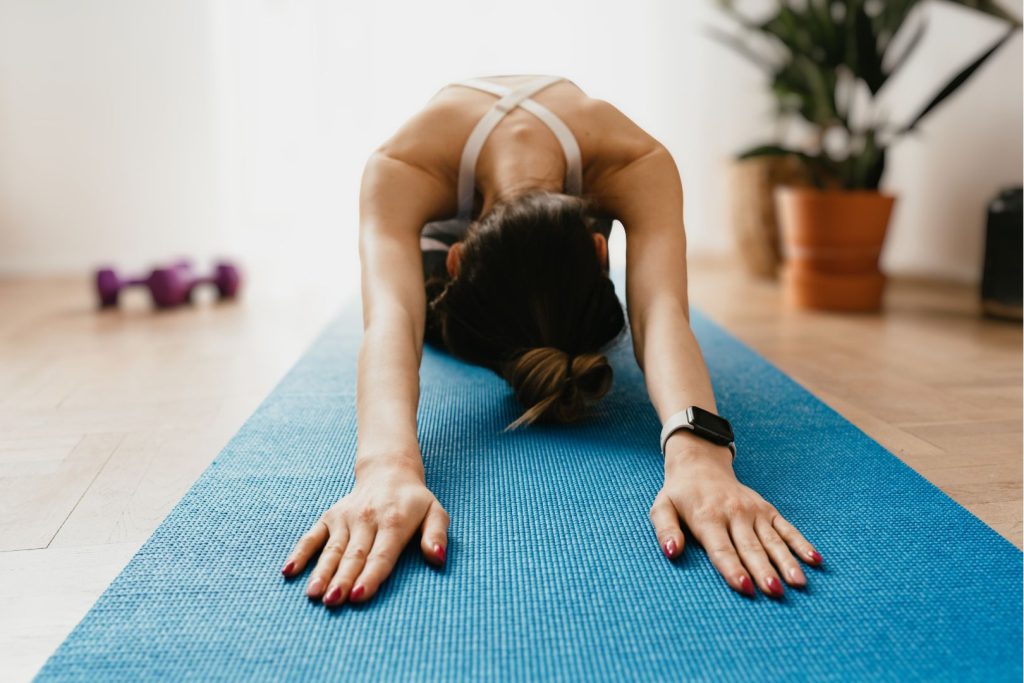
Mornings are more important than we realize. It’s not about having a perfect routine, but because cortisol, your main stress hormone, should rise slowly in the morning and drop by evening.
If your mornings are rushed, filled with screens, start with caffeine, and you eat last, cortisol rises too quickly. That’s when anxiety, energy crashes, and stubborn belly weight can show up.
A morning that supports your hormones doesn’t need to be complicated. A few simple habits can make a big difference:
- Getting natural light early (even five minutes helps)
- Moving gently before checking emails
- Eating protein before coffee—or at least alongside it
- Giving yourself a buffer before the day starts barking orders
If your mornings feel hectic, you might find Morning Routine for Hormone Balance helpful. It’s not about strict routines, but about creating a rhythm that helps your body feel safe.
And feeling safe is key for your hormones.
Eat Like Blood Sugar Balance Is the Job (Because It Is)
Here’s something we didn’t hear in our 20s: after 40, keeping your blood sugar steady becomes very important.
Skipping meals, snacking all day, or relying on caffeine until dinner puts stress on insulin and cortisol. Over time, estrogen and progesterone are affected too.
Daily eating habits that support hormone balance look surprisingly reasonable:
- Eating regularly (no heroic fasting)
- Pairing protein with carbs
- Including healthy fats
- Not under-eating “to be good”
Eating enough is actually one of the most important habits for your hormones.
Food is more than just fuel. It signals to your body whether resources are low or steady. Hormones work best when things are steady.
If you need help with the food side, Foods That Help Balance Hormones Naturally breaks this down without turning meals into math problems.
Stress Isn’t the Enemy; Ongoing Stress Is
Let’s clear something up. Stress isn’t always bad. Deadlines, workouts, and excitement are all normal parts of life.
The real problem is stress that doesn’t go away. It’s the kind that makes your shoulders tense, keeps your jaw tight, and follows you to bed.
Cortisol doesn’t reset on its own. It needs cues. Daily ones.
Simple habits that calm the nervous system:
- Stepping away from screens (even briefly)
- Slow breathing, making your exhales longer than your inhales
- Letting your body fully relax at least once a day
- Saying no without a full explanation
This isn’t just about bubble baths and candles, though those can be nice. It’s about showing your body it doesn’t have to stay on high alert.
When cortisol settles, progesterone gets breathing room. Sleep improves. Cravings soften. Mood steadies.
It’s all connected. Even when it doesn’t feel like it.
Move Your Body, But Don’t Punish It
There’s a quiet shift that needs to happen after 40: movement as support, not punishment.
Exercising too much raises cortisol, while not moving enough doesn’t help either. The right balance is somewhere in the middle, and it can change based on your stress, sleep, and life situation.
Hormone-supportive movement often looks like:
- Walking (more powerful than it gets credit for)
- Strength training without exhaustion
- Stretching or mobility work
- Choosing rest when stress is high
Some days you’ll do more, and some days you’ll do less. That’s not being inconsistent; it’s being aware of what your body needs.
Your body isn’t lazy. It’s communicative.
Support Your Gut and Liver (Quiet Workhorses of Hormone Balance)
Estrogen doesn’t leave the body by itself. The liver processes it, and the gut helps remove it. If either one has trouble, estrogen can build up again, and that’s when symptoms appear.
Daily habits that help:
- Eating enough fiber
- Drinking water regularly
- Reducing ultra-processed foods
- Supporting digestion (chewing, slowing down)
Nothing complicated. Just steady support.
This is especially important if you often have bloating, PMS, or symptoms linked to high estrogen. The connection between your gut, liver, and hormones doesn’t get much attention, but it’s important.
Sleep Isn’t Optional After 40 (Even If Life Makes It Hard)
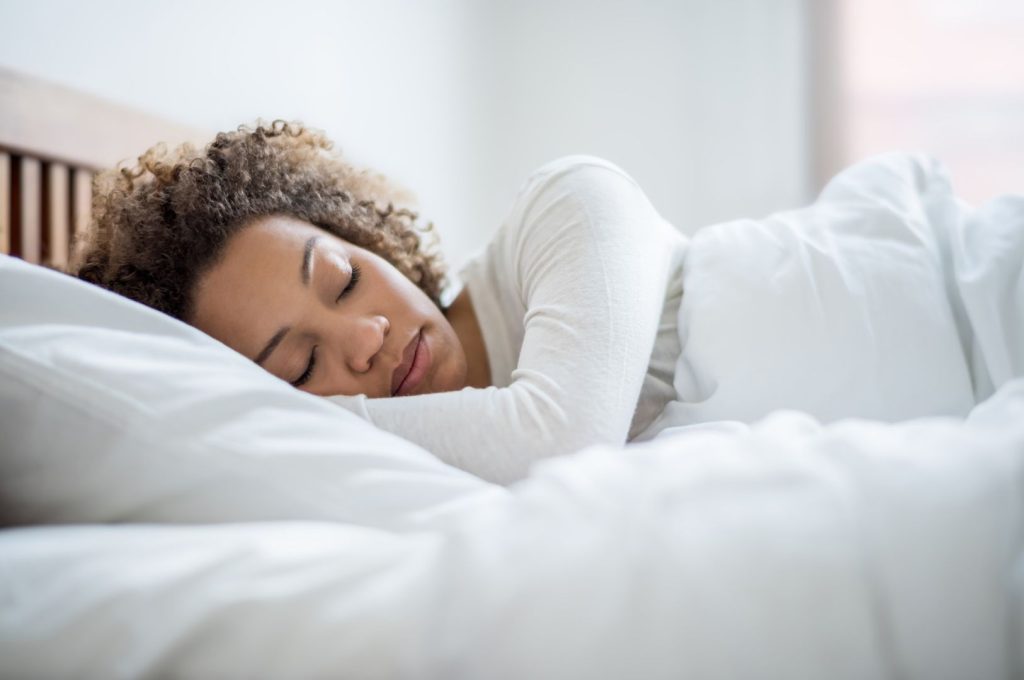
Sleep affects insulin. Cortisol. Estrogen. Progesterone. All of it.
Not getting enough sleep doesn’t just make you tired. It also changes how your hormones act the next day. Hunger hormones go up, stress tolerance drops, and blood sugar becomes less stable.
Daily habits that protect sleep:
- Consistent bedtime (yes, even on weekends)
- Dimming lights in the evening
- Cutting off screens earlier than feels convenient
- Creating a wind-down ritual that your body recognizes
Sleep isn’t a sign of laziness. It’s how your body restores itself. Your hormones do a lot of repair work while you sleep.
Build an Evening Routine That Helps You Recover
If mornings set the tone for your day, evenings help you recover and recharge.
An evening filled with emails, news, and scrolling keeps your nervous system alert. Melatonin, your sleep hormone, works best without these distractions.
Simple evening habits help hormones shift into recovery mode:
- Gentle stretching
- Reading something light
- Magnesium-rich foods or supplements (with guidance)
- Quiet time that isn’t “productive”
You’re not powering down—you’re recalibrating.
Consistency Beats Perfection (Every Time)
Here’s where many women get stuck. They think if they can’t do everything, it’s not worth doing anything.
That’s just not true.
Hormones respond to what you do most days, not every single day. You don’t need perfect streaks, just regular habits.
Doing two or three helpful habits regularly is better than trying ten habits only once in a while.
And on some days, life just happens. Meetings run late, and dinner is whatever you can put together. That’s okay.
You’re not failing your hormones. You’re simply human.
A Few Common Questions Women Ask
How long does it take to see results?
It usually takes weeks, not days. Hormones change slowly, but they do make progress.
Can daily habits really help during perimenopause?
Yes, especially during that time. Hormones need stability when your body is going through changes.
Do I need supplements?
Sometimes, but habits should come first. Supplements can help, but they don’t replace a strong foundation of daily habits.
The Takeaway (And a Bit of Reassurance)
Daily habits for balancing hormones naturally aren’t exciting or trendy. They probably won’t show up on social media, but they do work.
And more importantly, they’re sustainable.
Your body isn’t broken; it’s just adapting. When you support it with steady habits instead of pressure, it responds well.
Start with one habit, then add another. Let your progress build slowly over time.
That’s how balance comes back—not all at once, but gradually, until one day you notice you feel more like yourself again.