

You know that feeling when your body starts sending mixed signals? One week you’re sleeping fine; the next, you’re wide awake at 3 a.m., wondering if it’s stress or something deeper. You’re eating the same way, but your jeans are tighter. You snap at your partner for breathing too loudly. Sound familiar?
If you’re over 40, these aren’t random quirks. They’re whispers — sometimes shouts — from your hormones. And while most of us were taught that “hormonal changes” start at menopause, the truth is, the process begins years earlier. It’s slow, sneaky, and sometimes confusing. But once you understand why it happens, the whole picture makes a lot more sense.
The Hormonal Symphony (and what happens when one instrument goes off-key)
Think of your hormones like a perfectly tuned orchestra. Estrogen, progesterone, testosterone, thyroid, and cortisol each play a part. When they’re balanced, everything — your mood, sleep, skin, metabolism — feels harmonious.
But once one section goes flat, the whole performance shifts.
After 40, estrogen and progesterone fluctuate unpredictably while stress and thyroid hormones try to compensate. The result: you might feel tired, anxious, foggy, or just off — even when your doctor says your labs are “normal.”
“Normal” doesn’t always mean “optimal.”
1. Perimenopause: The Slow Fade, Not the Sudden Drop

Perimenopause — the long runway to menopause — is the biggest cause of hormone imbalance in women over 40. It can last four to ten years.
During this phase, estrogen and progesterone swing up and down like a rollercoaster. That leads to:
- Irregular or heavy periods
- Hot flashes and night sweats
- Mood swings or irritability
- Brain fog or forgetfulness
These changes often start while you’re still cycling regularly. You may not realize that perimenopause has quietly begun.
2. Cortisol: The Stress Hormone That Hijacks the Rest
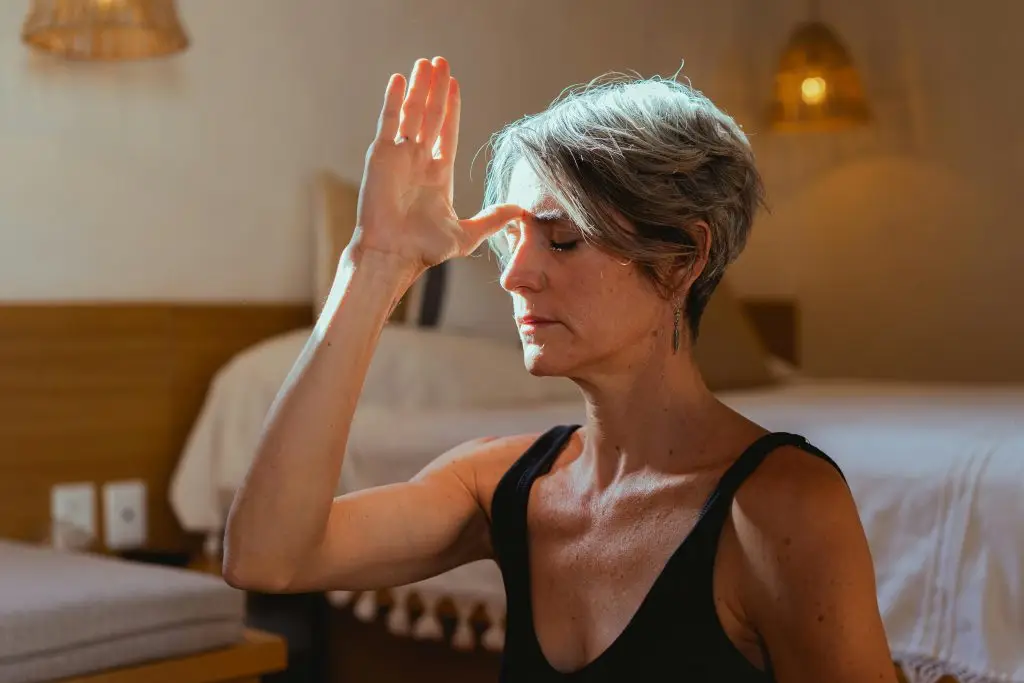
If perimenopause is the headline act, cortisol is the backup singer who won’t stay quiet.
Chronic stress — from work, caregiving, or mental overload — keeps cortisol elevated. Over time, it “borrows” building blocks from progesterone. The result? Low progesterone, high cortisol, and estrogen dominance. If you’re noticing symptoms like bloating, heavier periods, or breast tenderness, you may be dealing with symptoms of estrogen dominance in women over 40.
You might notice:
- Trouble sleeping
- Belly fat gain
- Short temper
- Afternoon crashes
- Sugar or wine cravings
You can’t always remove stress, but you can change your body’s response to it.
Simple fixes: 10-minute walks without your phone, deep breathing before bed, or saying no when your plate’s full.
3. The Thyroid Factor: When Energy Feels Elusive
Thyroid issues often appear after 40 — especially during perimenopause. Fluctuations in estrogen alter how thyroid hormones circulate.
Common clues: fatigue, hair thinning, dry skin, and brain fog.
Ask for a complete thyroid panel (TSH, Free T3, Free T4, Reverse T3, and antibodies). “Borderline” results still deserve attention, especially if you feel symptomatic.
4. Blood Sugar Swings: The Silent Hormone Disruptor
As metabolism slows, insulin resistance creeps in. Combine that with stress and less sleep, and you get:
- Afternoon energy dips
- Cravings for sweets
- “Hangry” moods
- Midsection weight gain
When insulin spikes, it throws off estrogen and cortisol, too.
Try this: eat protein and fiber first at meals. Think Greek yogurt with chia and berries, or chicken with roasted veggies and olive oil.
5. Hidden Triggers: Environment & Lifestyle
The endocrine-disrupting chemicals found in plastics, receipts, and perfumed materials act as estrogen substitutes. They gradually increase this imbalance.
Lifestyle habits play a role too:
- Poor sleep = disrupted melatonin (your hormonal timekeeper)
- Alcohol = elevated estrogen, stressed liver
- Sedentary routines = lower testosterone and sluggish metabolism
- Nutrient gaps = harder hormone detox
Start small: use stainless-steel bottles, fragrance-free detergents, and eat leafy greens daily.
These seemingly small choices add up. If you want a realistic, day-by-day approach, here’s a breakdown of daily habits to balance hormones naturally — the kind you can actually stick with.
When One Hormone Tips, They All Follow
Here’s a truth most doctors won’t say outright: hormones rarely misbehave alone.
Low progesterone leads to estrogen dominance. That triggers water retention, PMS, and heavier periods. Meanwhile, high cortisol suppresses thyroid function — and boom, fatigue, stubborn weight, and mood dips all show up at once.
It’s not you; it’s chemistry.
This is why treating one symptom — like taking an antidepressant for mood swings or sleeping pills for insomnia — can feel like playing whack-a-mole. You fix one thing, and something else pops up. The goal isn’t to silence symptoms but to understand the system behind them.
Why It Feels Harder Than It Did for Our Mothers
If your mom seemed to breeze through her 40s with fewer complaints, she probably lived differently — even if she didn’t mean to.
Fewer screens. More walking. Shorter commutes. Meals cooked from scratch. Less environmental estrogen exposure. And, most importantly, a slower pace.
Today? We’re bombarded — emotionally, digitally, hormonally. The constant “on” state keeps cortisol high and sleep shallow. Combine that with less nutrient-dense food and more stress, and it’s no wonder our bodies wave the white flag sooner.
So no, you’re not imagining it. Life is different — and your body’s just trying to adapt.
How to Restore Balance Naturally (No Detox Required)
1. Eat for Stability.
Make protein, fiber, and healthy fats a priority. Balance carbs with exercise.
2. Move Wisely.
Strength training twice a week builds muscle, stabilizes insulin levels, and boosts mood.
3. Sleep Like It’s Medicine.
7–9 hours, cool room, magnesium glycinate or herbal tea before bed.
4. Support Liver Health.
Cruciferous vegetables, less alcohol consumption, staying hydrated, and exercise.
5. Track Your Cycle.
Use Clue or MyFlo to notice mood, sleep, and energy patterns.
6. Get the Right Tests.
Ask your provider for a full hormone panel: estrogen, progesterone, testosterone, cortisol, thyroid, insulin, and vitamin D.
Real Talk: It’s Not Just in Your Head
This is the part that matters most — the emotional side.
So many women feel dismissed. They’re told, “That’s just aging,” or “You’re probably stressed.” But feeling like a stranger in your own body isn’t something to brush off. Hormone imbalance can affect everything from relationships to confidence to how you show up at work.
The truth? You’re not broken. You’re adapting.
Your 40s aren’t the beginning of decline — they’re the start of a new biological rhythm. One that asks for more care, less chaos, and a deeper connection to what your body’s trying to say.
So, if you’ve been wondering why your old tricks don’t work anymore — the workouts, the diets, the late nights — it’s not willpower. It’s physiology. And with the right awareness, you can shift things back into balance.
The Balanced Era Mindset
Balance isn’t about perfection. It’s about rhythm — meals, sleep, movement, and moments that tell your body, you’re safe.
That rhythm is built through what you do most days, not what you do occasionally. If you’re ready to create consistency without pressure, these daily habits to balance hormones naturally can help you start exactly where you are.
So maybe tonight you skip the scrolling, light a candle, sip tea, and just breathe. That’s not indulgence; that’s hormonal self-care.
Because once you understand your body’s new rhythm, you stop fighting it — and start feeling like yourself again.