

If you’ve ever finished a workout feeling more drained than energized and wondered, Wasn’t this supposed to help? you’re not imagining things. Many women have learned that harder is better: more sweat, more intensity, less rest. For a while, that approach might have worked.
But after 40? The rules quietly change.
Hormones change. Recovery takes longer. Stress feels different. Suddenly, the workouts you used to count on seem to work against you instead of for you. This is when knowing the best workouts for hormone health really matters—not as a trend, but in a practical, everyday way.
Let’s look at what really supports your hormones now, why it helps, and how you can move your body without wearing yourself out.
Why workouts feel different after 40 (and it’s not in your head)
Here’s the thing: exercise is still important. But your hormones, especially cortisol, insulin, estrogen, and progesterone, don’t respond the way they did in your 30s.
During perimenopause and menopause, your body is more sensitive to stress, including physical stress. Long workouts, intense intervals, and training days without rest can raise cortisol levels and keep them high for longer. High cortisol can disrupt sleep, slow fat loss, increase cravings, and leave you feeling both wired and tired.
At the same time, muscle mass naturally goes down with age, insulin sensitivity can decrease, and bone health becomes more important. So you still need to move—just in a smarter way.
This is where the best workouts for hormone health come in. They aren’t extreme, punishing, or random.
A quick hormone primer (plain English, promise)
Before we talk about specific workouts, it helps to understand what’s happening in your body.
- Cortisol: your stress hormone. Helpful in short bursts. Problematic when constantly elevated.
- Insulin: regulates blood sugar. Movement helps keep it responsive.
- Estrogen & progesterone: fluctuate more in midlife, affecting energy, recovery, and mood.
Workouts that support hormone health usually lower extra cortisol, improve insulin sensitivity, and help your muscles and bones without pushing your nervous system into fight-or-flight mode.
Now, let’s get practical.
So what are the best workouts for hormone health?
Here’s a hint: they’re probably simpler than you think.
Walking: the unsung hero of hormone balance
Honestly, walking doesn’t get enough credit.
Walking is low impact, lowers stress hormones, and helps control blood sugar. It also supports fat metabolism without needing a long recovery. Most women feel better after walking, not worse.
You don’t need a complicated plan. A brisk 20 to 45 minute walk most days of the week really helps your hormones, especially if you have high stress, poor sleep, or stubborn weight.
It’s even better if you walk outside. Natural light helps regulate your body’s clock, which supports hormone balance. Everything is connected.
Strength training: essential, but keep it sane
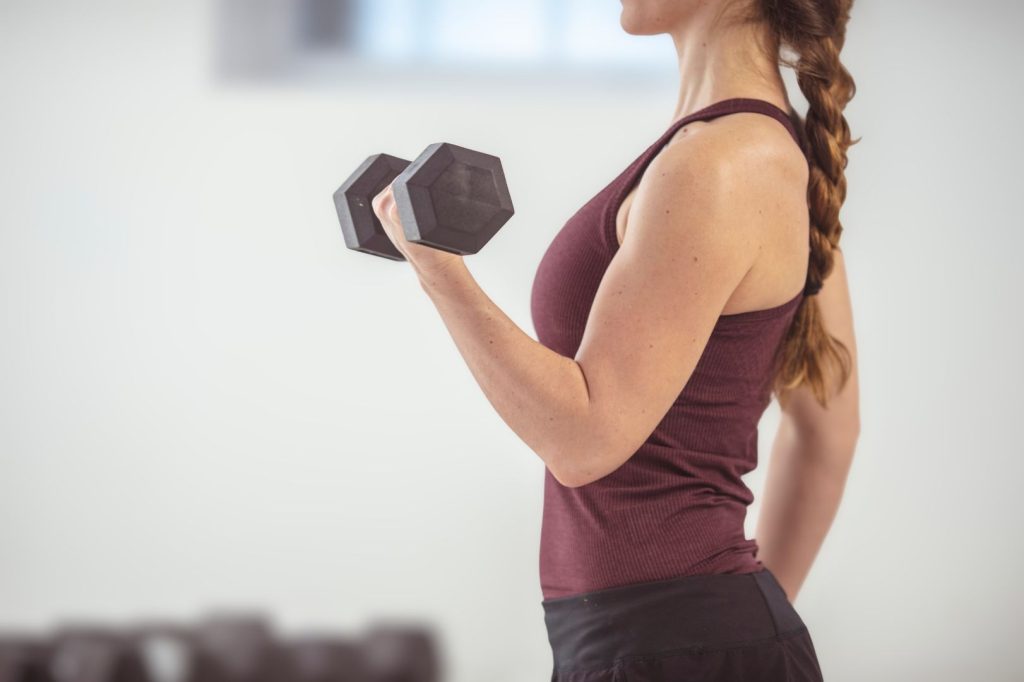
Let’s clear something up. Strength training isn’t optional after 40; it’s essential. But how you do it matters.
Strength training helps:
- Maintain lean muscle
- Support insulin sensitivity
- Protect bone density
- Support estrogen balance
That said, lifting heavy weights five or six days a week is probably not the best approach anymore.
For hormone health, aim for two or three strength sessions per week, focusing on full-body movements. Use moderate weights and controlled repetitions. Challenge your muscles, but not so much that you feel exhausted for days.
If you’ve ever noticed that you feel calmer, stronger, and more stable after strength training (instead of jittery), that’s a good sign you’ve found the sweet spot.
Pilates: quiet strength that pays off
Pilates tends to fly under the radar, but hormonally, it’s powerful.
Pilates builds deep core strength, improves posture, and works your muscles without raising cortisol too much. Many women also find that Pilates helps calm their nervous system, especially if they’ve been living with ongoing stress from work, family, or other responsibilities.
Pilates is especially helpful if you have joint pain, back issues, or if traditional strength training feels intimidating. It’s still strength work, just in a different form.
Yoga: not all styles are equal (and that’s okay)
Yoga can be great for hormone health, or not very helpful, depending on the style you choose.
Gentler practices like restorative yoga, slow flow, or yin yoga actively support stress reduction and nervous system regulation. They help lower cortisol, improve sleep quality, and support adrenal health.
Very intense, power-style classes done often can have the opposite effect for some women. That doesn’t mean yoga is bad; it just means the context matters.
If you finish a class feeling grounded instead of depleted, you’re on the right track.
Low-impact cardio that doesn’t fight your hormones
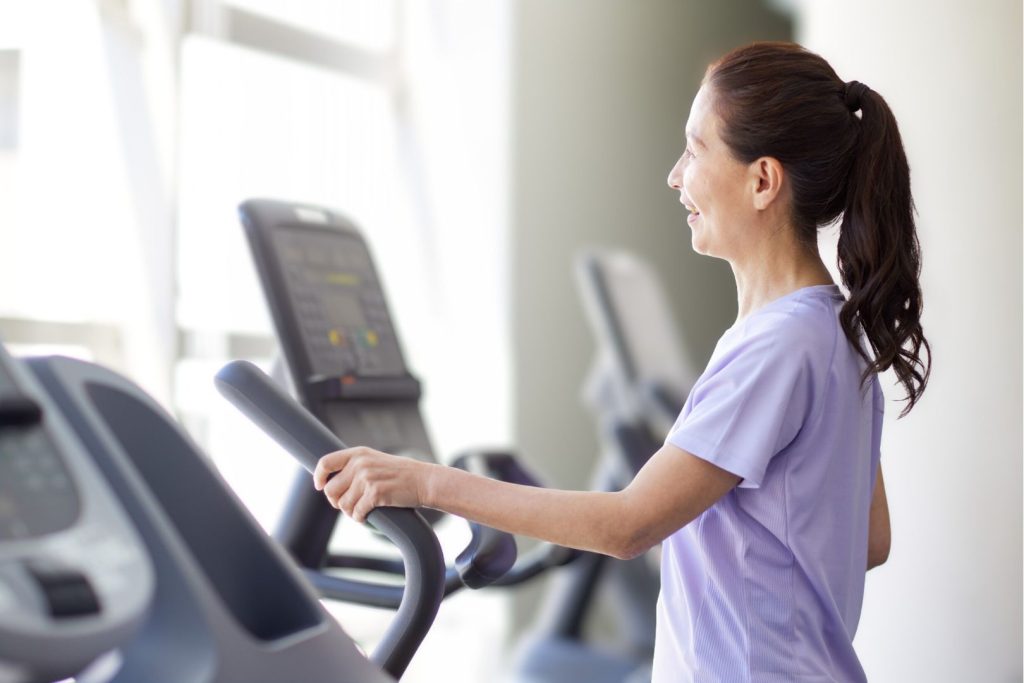
Cardio still has a place. It just doesn’t need to be punishing.
Cycling, swimming, rowing, or using the elliptical at a moderate pace supports heart health and blood sugar without excessive stress. These workouts are especially useful if you enjoy movement but want something gentler than running or HIIT.
Aim for a steady pace, not a frantic one. You should be able to hold a conversation, maybe a little out of breath, but not gasping.
A word about HIIT and intense training
Here’s where things get nuanced.
High-intensity workouts aren’t always bad. In fact, short bursts of intensity can help improve insulin sensitivity and heart health. The key is how often you do them and how well you recover.
If you love HIIT:
- Keep sessions short (20 minutes or less)
- Limit to 1–2 times per week
- Pair them with true recovery days
If you notice poor sleep, more anxiety, or lasting fatigue, that’s your body giving you feedback. It’s not being dramatic; it’s being honest.
How often should you work out for hormone health?
Most women do best with a rhythm that looks something like this:
- 2 days of strength training
- 2–3 days walking or low-impact cardio
- 1–2 days of Pilates or yoga
- Daily gentle movement (stretching, mobility, casual walks)
Rest days aren’t a sign of failure. They’re an important part of the plan.
If this sounds different from what you’ve heard before, you’re not wrong. Hormone-supportive fitness values sustainability over intensity. The goal isn’t to push through every workout, but to show up regularly without draining your energy.
The workouts matter—but so do the habits around them
This is where a lot of advice falls short.
You can do the right workouts and still feel off if the basics aren’t in place. Sleep, nutrition, and stress management all affect how your hormones respond to exercise.
If workouts feel harder than they should, or you’re not seeing the results you expect, it’s worth looking at the bigger picture. I cover this more in Daily Habits to Balance Hormones Naturally, especially how small daily choices can boost the benefits of movement.
Exercise doesn’t exist in a vacuum. It never has.
A realistic weekly example (nothing fancy)
Here’s what a hormone-friendly week might look like in real life:
- Monday: Strength training (30–40 minutes)
- Tuesday: Brisk walk outside
- Wednesday: Pilates or yoga
- Thursday: Strength training
- Friday: Walk or low-impact cardio
- Weekend: Gentle movement, stretching, optional yoga
Notice what’s missing: no marathon sessions, no daily intensity, and no guilt if life gets in the way.
Final thoughts (because this matters)
The best workouts for hormone health don’t leave you feeling punished. They help you feel steady, capable, and both calm and strong.
If you’re used to measuring success by sweat or soreness, this might feel like a big change. That’s okay. Many women find that when they stop fighting their bodies and start supporting them, everything improves: energy, sleep, mood, and even consistency.
You don’t need to do everything. You just need to do what works now.
And honestly? That’s a relief